Growing Vegetables
How to Grow Lettuce and Salad Greens at Home
Learn how to grow lettuce and salad greens from seed in any garden or container. Covers timing, spacing, succession sowing, and cut-and-come-again harvesting.
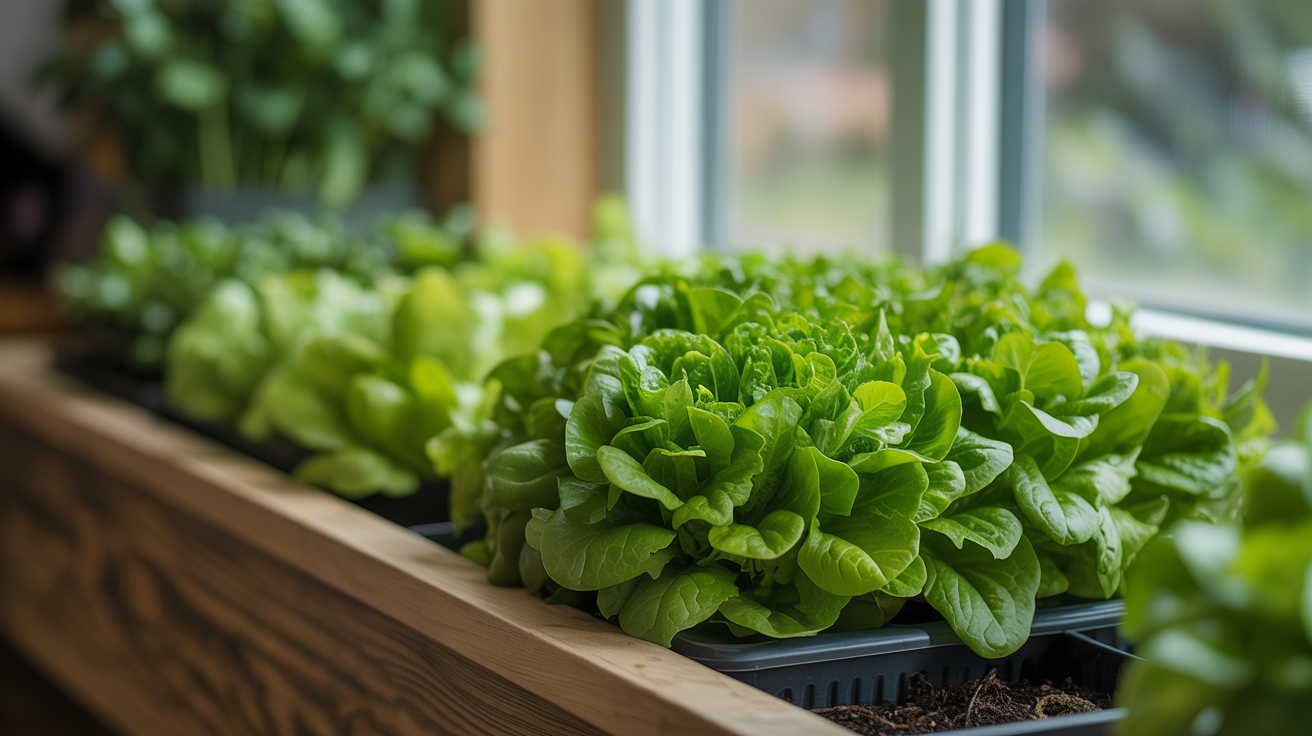
Lettuce is one of the fastest crops you can grow from seed. Sow it in the right season and you can be cutting leaves in as little as 30 days. Get the timing wrong and it bolts, shoots up a flower stalk, turns bitter, and is done. This guide covers everything a beginner needs: when to sow, how to space, what to pick, and how to keep the harvest going all season long.
Why Cool Seasons Matter
Lettuce is a cool-season crop. It germinates best when soil temperatures are between 40°F and 65°F (4°C–18°C) and grows fastest when air temperatures stay in the 45°F–65°F range. Once daytime highs push consistently above 75°F–80°F, lettuce bolts: the plant shifts energy from leaf production to reproduction, the leaves turn tough and bitter, and the flavor is essentially ruined.
This means your two prime windows are:
- Spring: Sow outdoors 4–6 weeks before your last frost date (or start indoors 6–8 weeks before last frost and transplant out once seedlings have 2–3 true leaves).
- Fall: Count back from your first hard freeze. Lettuce needs roughly 45–60 days to mature, so sow in late summer when the worst heat has passed. Seedlings tolerate light frost once established.
In mild climates (USDA zones 9–11), you can grow lettuce through winter instead, since summers are too hot.
Choosing What to Grow
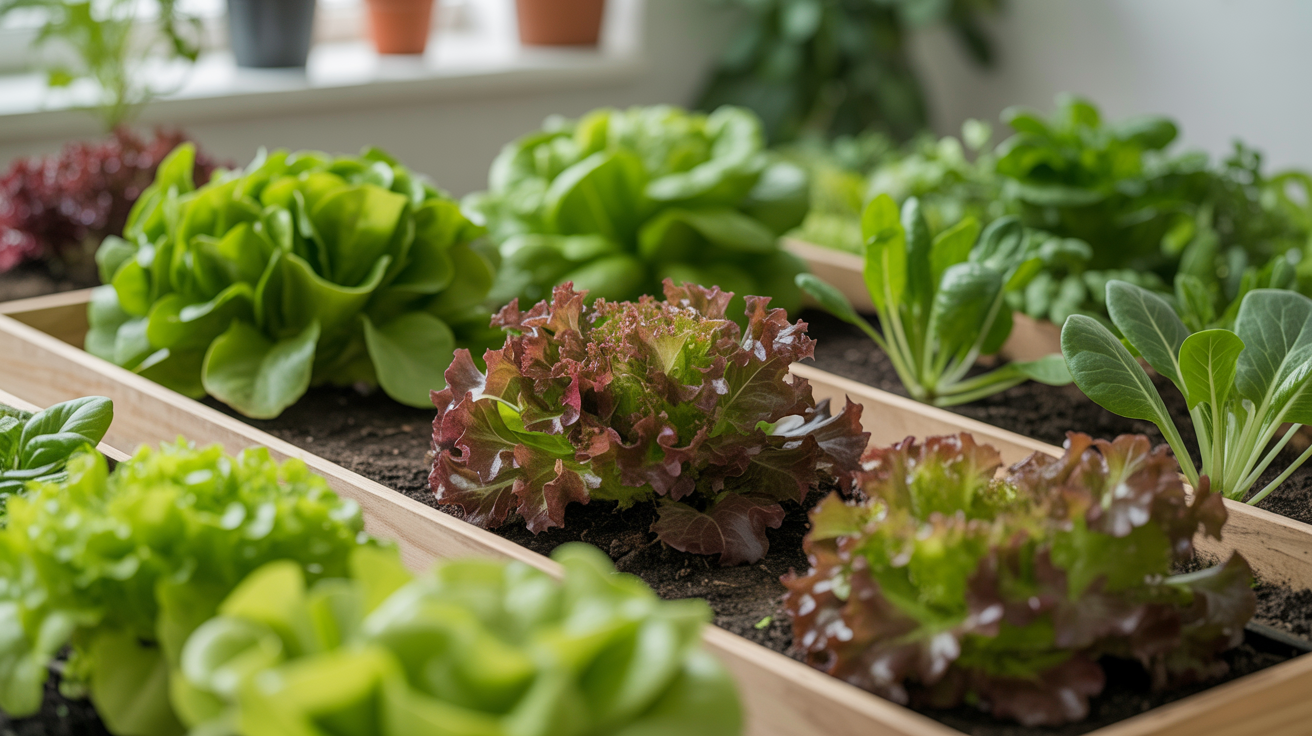
Not all lettuce behaves the same under heat or produces in the same way. Here are four main types:
| Type | Days to Harvest | Best Use | Heat Tolerance |
|---|---|---|---|
| Loose-leaf (e.g., 'Black Seeded Simpson') | 28–45 days | Cut-and-come-again baby leaves | Low–moderate |
| Butterhead / Bibb (e.g., 'Boston', 'Buttercrunch') | 55–75 days | Full heads, tender texture | Low |
| Romaine / Cos (e.g., 'Little Gem') | 70–80 days | Upright heads, crisp ribs | Moderate |
| Batavian (e.g., 'Nevada') | 55–70 days | Heads, slightly more bolt-resistant | Moderate–high |
For beginners, loose-leaf types are the most forgiving. They don't require forming a tight head, so spacing is more flexible and harvesting is simpler.
Beyond lettuce, the salad-greens category includes arugula (spicy, 30–40 days), spinach (40–50 days), mâche (50–60 days), and claytonia. They all share lettuce's preference for cool weather and can be sown the same way.
How to Sow Lettuce from Seed
Preparing the Soil
Lettuce has a shallow root system, so it doesn't need deep, heavily amended soil, but it does want something loose and moisture-retentive. A basic mix of garden soil with some compost worked into the top 4–6 inches is fine. pH should sit around 6.0–7.0.
If you're growing in containers, any quality potting mix works well. Lettuce actually does better in containers than many vegetables because the soil stays loose and you can move the pot out of afternoon sun when summer approaches.
Sowing Depth and Spacing
| Step | Detail |
|---|---|
| Sow depth | 1/8 to 1/4 inch (barely covered, lettuce seeds need light to germinate) |
| Row spacing | 12–18 inches apart |
| Plant spacing (thinned) | 6–10 inches for full heads; 4 inches for baby-leaf harvests |
| Container depth | At least 6 inches |
| Germination | 2–7 days at 60°F–65°F |
Sow seeds thinly in shallow furrows and press them lightly into the soil. Don't bury them deep: lettuce germinates better with some light reaching the seed. Water gently with a fine spray so you don't wash seeds away. Keep the surface consistently moist until germination. Once seedlings appear, thin to final spacing rather than leaving them crowded, overcrowded lettuce is more prone to rot and bolts faster.
Thinning
Thin in two stages. When seedlings reach about 2 inches tall, thin to 2–3 inches apart. A few weeks later, thin to final spacing (4 inches for baby leaf, 8–10 inches for head types). The thinnings are edible; toss them directly into a salad.
Succession Sowing: The Key to a Continuous Harvest
A single sowing of lettuce produces one flush of leaves or heads, then it's done. To avoid a glut followed by a gap, succession sow: make a new small sowing every 2–3 weeks throughout the cool season.
In practice this looks like:
- Week 1: Sow patch A.
- Week 3: Sow patch B.
- Week 5: Sow patch C. By now patch A is ready to start harvesting.
- Continue until temperatures are too hot for new germination.
Pick fast-maturing loose-leaf varieties for early spring succession runs when the season is short. Switch to slower, more substantial Romaine types for fall when you have a longer cool window ahead.
This same succession approach works well alongside other vegetables. If you're already growing tomatoes or growing peppers, you can fit lettuce sowings in the gaps between transplanting warm-season crops, making efficient use of the same space.
Watering and Fertilizing
Lettuce is mostly water, leaves are about 95% moisture, so consistent watering matters more here than with almost any other crop. The goal is to keep the top inch or two of soil evenly moist. Irregular watering (wet-dry-wet cycles) makes leaves tough and accelerates bolting.
Drip irrigation or soaker hoses are ideal. If hand-watering, water at the base rather than overhead; wet foliage in humid weather invites fungal issues like bottom rot and downy mildew.
Lettuce is a light feeder. A single side-dressing of compost when seedlings are 3–4 inches tall is usually all it needs. Avoid heavy nitrogen fertilizers late in the season, lush, soft growth is more prone to rot and aphids.
Cut-and-Come-Again Harvesting
The cut-and-come-again technique extends your harvest window significantly, especially with loose-leaf varieties.
Instead of pulling the whole plant, use clean scissors to cut the outer leaves at about an inch above the crown. Leave the inner growing point intact. The plant regrows from the center and you can harvest again in 1–2 weeks. Depending on temperatures and the variety, you can cut the same plant 3–5 times before it runs out of energy or bolts.
For baby salad-mix style harvests, you can also broadcast seeds densely in a wide row, then shear the whole patch at once with scissors when leaves are 3–4 inches tall. Water and fertilize lightly after cutting and the patch regrows for a second or third cut.
Dealing with Bolting
Bolting is the plant's response to heat and long days. Symptoms: the plant sends up a tall central stalk, leaves elongate and become narrower, and the flavor turns sharply bitter within days of the stalk appearing.
A few things slow bolting down:
- Shade cloth (30–50% shade) over plants reduces temperature and delays bolting by a week or two in warm weather.
- Water consistently, heat stress combined with drought speeds bolting dramatically.
- Pick varieties labeled bolt-resistant for your summer plantings (Batavian and some Romaine types).
- Harvest early, don't wait for a full head if temperatures are climbing. Cutting outer leaves regularly keeps the plant in vegetative mode longer than leaving it untouched.
Once the plant has fully bolted, pull it and compost it. There's no reversing bolt; bitterness doesn't fade once it sets in.
Growing Lettuce in Containers
Lettuce is one of the best vegetables for containers, window boxes, and raised beds. A 12-inch-wide pot can support 2–3 plants; a window box can hold a productive row of loose-leaf varieties.
Key container considerations:
- Use a pot at least 6 inches deep (8–10 inches for Romaine).
- Choose light-colored containers in summer; dark pots absorb heat and warm the root zone faster.
- Water more frequently than in-ground plants, pots dry out quickly.
- Position containers in morning sun with afternoon shade once temperatures warm.
You can also interplant lettuce under taller warm-season crops. A few lettuce plants tucked at the base of zucchini or tomatoes get natural afternoon shade from the larger plants, extending their usable season by a few extra weeks.
Common Problems
Aphids: Small clusters of green or black insects on young leaves. Blast off with water or apply insecticidal soap. Avoid heavy nitrogen fertilizing, which produces soft growth aphids prefer.
Slugs and snails: Active in cool, wet weather, exactly the conditions lettuce prefers. Use copper tape around containers, hand-pick at night, or use iron phosphate bait.
Bottom rot (tip burn): Brown, papery edges on inner leaves. Usually a calcium or inconsistent-watering issue. Keep moisture even and improve airflow by thinning.
Leggy seedlings indoors: Not enough light. Move to a south-facing window or use a grow light 2–3 inches above seedlings for 14–16 hours per day.
Frequently Asked Questions
How long does lettuce take to grow from seed?
Loose-leaf varieties can be ready to harvest in 28–45 days from sowing. Full-head types like Romaine or Butterhead take 60–80 days. For the fastest results, sow loose-leaf types and start harvesting outer leaves once the plant reaches 4–5 inches tall.
Can I grow lettuce indoors year-round?
Yes, with adequate light. Lettuce needs at least 12 hours of bright light per day indoors, a sunny south-facing window may be enough in summer, but most indoor setups need a grow light. Keep room temperatures below 70°F for best results. Under a grow light, you can sow successive small containers every few weeks regardless of season.
Why does my lettuce taste bitter?
Bitterness almost always means the plant has bolted or is close to it. Heat above 75°F–80°F triggers bolting and bitter compounds in the leaves. Harvest promptly when temperatures climb, and pull plants that have sent up a flower stalk, that bitterness won't go away.
Do I need to water lettuce every day?
Not necessarily, but the soil should never fully dry out. In cool weather, every 2–3 days is usually enough. In warm or windy weather, daily watering (or even twice daily for containers) may be needed. Stick a finger an inch into the soil: if it feels dry, water.
Can lettuce survive frost?
Most lettuce tolerates light frost (28°F–32°F) once established, especially if hardened off gradually. Seedlings can be damaged by hard freezes, and germination stops below about 40°F soil temperature. For fall growing, row cover or a cold frame extends the season significantly and protects plants from hard freezes.