Getting Started
How Big Should Your First Vegetable Garden Be?
Start smaller than you think. A single 4x8 raised bed or a few containers is the right size for most first-time vegetable gardeners.
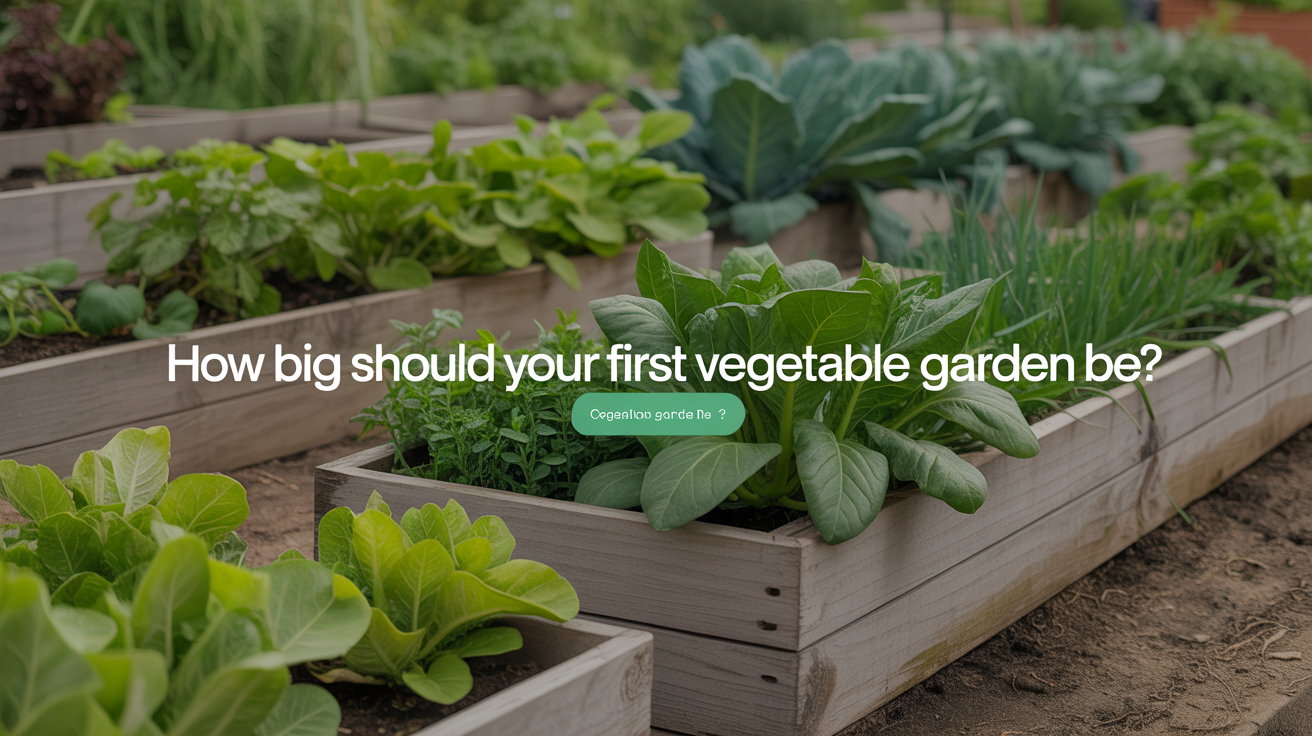
For most first-time growers, one 4x8-foot raised bed is plenty. That is roughly 32 square feet, and it is enough to keep a household of two people in salad greens, herbs, and a few tomatoes through a full summer.
That may sound underwhelming if you pictured yourself hauling in bushels of produce. But garden size and garden success have an inverse relationship for beginners. The smaller your first plot, the more likely you are to still be gardening in year two and three, when the skills and routines that make it genuinely rewarding start to click.
Why Bigger is Not Better When You Are Just Starting Out
Every square foot of garden needs weeding, watering, and monitoring for pests. A 10x10-foot plot does not sound enormous on paper, but it means roughly 100 square feet of soil that can dry out, get invaded by crabgrass, or host a caterpillar outbreak on a Tuesday when you are already tired from work.
The most common reason beginner gardens fail is not soil quality or seed selection. It is time and energy running out by mid-July. The garden gets ahead of you: weeds take hold, tomatoes go unpicked, and the beds start looking like a chore instead of a pleasure. By August, many first-timers have quietly given up.
This is not a character flaw. It is a matter of underestimating the ongoing labour. A well-tended small bed is a genuinely manageable weekly commitment. A neglected large one becomes a source of guilt.
Starting small also gives you room to learn. You will make mistakes. A crop will fail, or you will plant things too close together, or you will forget to water during a heatwave. On a small scale, these mistakes cost you a few plants. On a 20x20 plot, the same mistakes cost you weeks of work.
If you want a fuller picture of how to structure your first season, the complete beginner's guide to starting a vegetable garden covers the whole sequence from choosing a spot to planting day.
What Different Garden Sizes Can Realistically Grow
Here is a practical reference for what fits at common beginner scales. These assume you are growing in a raised bed with decent soil and at least six hours of sun. Yields vary with variety, climate, and care, but these are reasonable expectations.
| Garden Size | Good For | Approximate Yield |
|---|---|---|
| 4 containers (5-gallon) | Herbs, lettuce, 1 tomato, 1 pepper | Fresh herbs daily, salads 2-3x/week |
| 4x4 ft (16 sq ft) | Salad greens, radishes, herbs, 2 tomato plants | Salads most of the week in season |
| 4x8 ft (32 sq ft) | Salad greens, herbs, 2-3 tomatoes, peppers, cucumbers | Regular salads + enough to share |
| 4x12 ft (48 sq ft) | All of the above + beans, kale, a squash | Meaningful contribution to weekly meals |
| 10x10 ft (100 sq ft) | Full kitchen garden, root veg, brassicas, multiple rows | Regular supply across several crops |
| 20x20 ft (400 sq ft) | Near-full family supply for several months | Significant storage crops (potatoes, winter squash) |
Most beginners should target the 4x8 or 4x4 range. Containers are a sound starting point if you have a balcony, a paved yard, or rented space where digging is not an option.
What a Single 4x8 Bed Can Feed You
A 4x8 raised bed planted thoughtfully will produce more than most first-timers expect.
In spring, that same bed can hold a full cut-and-come-again lettuce planting, two or three types of herbs, and a row of radishes. You will be picking salad leaves within four to six weeks of sowing. By the time the lettuce bolts in summer heat, you can clear it and replant with basil, beans, or a second round of greens.
In summer, two or three indeterminate tomato plants in that bed will require some pruning and staking attention, but a healthy plant can yield several pounds of fruit across the season. Add a pepper plant or two, and you have the makings of fresh salsa for weeks.
That is genuinely useful food from 32 square feet. Not a year's supply, but a real and satisfying contribution to your kitchen.
The crops that give you the most return on a small plot are leafy greens, herbs, tomatoes, and peppers. They produce repeatedly across the season rather than all at once. If you are choosing what to grow, the easiest vegetables for first-time gardeners has a practical shortlist built around what actually works for beginners.
How to Choose the Right Size for Your Situation
The right first-garden size depends on three things: how much time you can reliably spend each week, how much usable space you have, and how much sun that space gets.
Time. A 4x8 raised bed needs roughly 30 to 60 minutes per week in the busy months (May through August). Watering alone takes 10 to 15 minutes if you are doing it by hand. Weeding, harvesting, and occasional pest checks fill the rest. If you have a full week where you cannot touch the garden, things will fall behind. Budget honestly.
Space. Vegetables need room to grow, but they do not need a large yard. A sunny balcony can host four or five 5-gallon containers and produce real food. A small backyard might have one good sunny patch, which is where your one bed should go. Do not spread the garden to fill the available yard. Place it where the conditions are best.
Sun. This is the constraint most beginners underestimate. Vegetables want at least six hours of direct sun per day. Eight is better for fruiting crops like tomatoes and peppers. A raised bed in a partly shaded spot will struggle regardless of its size. It is better to have a small, well-lit garden than a large shaded one. How much sun a vegetable garden actually needs explains how to read your yard before you commit to a location.
How to Scale Up Intelligently in Year Two
If your first season goes well and you want more, adding one additional bed the following spring is a sound approach. You will have learned your specific conditions, what thrives in your space, and roughly how much time gardening takes for you. That knowledge makes a second bed much more manageable than a bigger first one would have been.
Adding beds gradually also gives your infrastructure time to keep up. A second watering can or a simple drip system, more compost capacity, better tool storage: these things are easier to build out incrementally than to plan for all at once before you know what you actually need.
By year three, many gardeners who started with one 4x8 bed are maintaining two or three without it feeling like more work than the original. They have built the habit, they know their crops, and the routines that once took active thought have become automatic.
Resist the urge to add beds out of enthusiasm at the start of the season. Add them after a successful year, not before.
Frequently Asked Questions
Is a 4x8 raised bed really enough for a family?
For a family of four, one 4x8 bed will not replace grocery store trips. But it will supply a meaningful amount of fresh salad greens, herbs, and tomatoes through the growing season. Two or three 4x8 beds can cover a larger share of summer vegetables. The goal in year one is to build the skill and habit, not to feed everyone from the garden alone.
Can I start with containers instead of a raised bed?
Yes. Four to six large containers (5 gallons or bigger) placed in a sunny spot can grow herbs, lettuce, peppers, and even a compact tomato variety. Containers dry out faster than raised beds, so daily watering in hot weather is often necessary. But they work well and require no digging, no major investment in materials, and can move with you if you rent.
What is the minimum garden size worth planting?
Even a single 5-gallon container of herbs is worth growing. If you want a productive food garden rather than just a pot of basil, a 4x4 raised bed is the practical minimum. Below that, you can grow, but the yield starts to feel more symbolic than functional.
How do I know if my plot gets enough sun?
Spend a day at home and note when your potential garden spot is in direct sun versus shade. Count the hours between roughly 9am and 6pm. Six hours minimum, eight or more for tomatoes and peppers. If your only sunny spot gets four hours, stick to shade-tolerant crops like lettuce, spinach, and herbs. Do not try to grow tomatoes in part shade: they will produce poorly and be more susceptible to disease.
Should I build the bed myself or buy a kit?
Both work. A simple raised bed frame is easy to build with basic tools and untreated cedar or pine boards. Pre-made kits are more convenient and often come with hardware. The bed itself matters less than what you fill it with. Good soil is where most beginner raised beds succeed or fail, not the frame.