Getting Started
How Much Sun Does a Vegetable Garden Really Need?
Most fruiting vegetables need 6–8 hours of direct sun daily. Learn how to measure sunlight in your yard and which crops grow in shade.
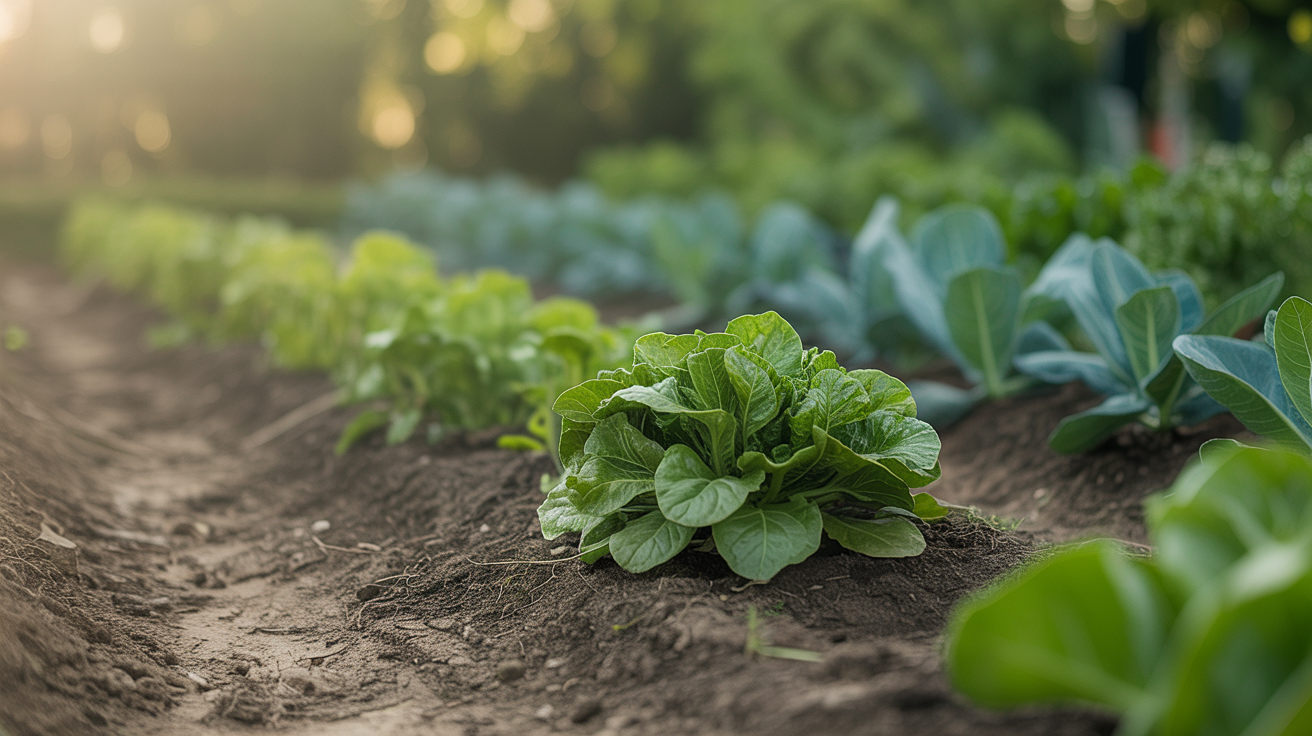
Most fruiting vegetables need at least six to eight hours of direct sunlight every day. That covers tomatoes, peppers, squash, cucumbers, and beans. Leafy greens and herbs can get by on four hours, sometimes less. Root crops fall somewhere in between. If you're picking a garden spot or wondering why last year's tomatoes were disappointing, vegetable garden sunlight is usually the first thing worth checking.
What "Full Sun," "Part Sun," and "Shade" Actually Mean
Seed packets and plant tags use these terms constantly, but they're rarely explained.
Full sun means six or more hours of direct, unobstructed sunlight per day. Most definitions say six, but fruiting crops genuinely perform better at eight. "Direct" matters here: light filtered through a shade cloth or the canopy of a nearby tree doesn't count the same way.
Part sun / part shade means three to six hours. The two phrases are often used interchangeably, though some gardeners make a subtle distinction: part sun implies the plant prefers the brighter end of that range, while part shade implies it tolerates (or prefers) the dimmer end. For practical purposes in a beginner garden, treat them the same.
Full shade means fewer than three hours of direct sun. Very few vegetables thrive here. Some lettuces and herbs will survive, but growth slows considerably and you'll get sparse harvests.
One thing beginners often miss: shade is not static. A spot that gets eight hours of sun in June may get only five in September, once the sun angle drops and neighboring trees fill out their canopy. If you're planning a fall garden, observe your site again in late summer.
How to Measure Sunlight in Your Yard
You don't need a fancy tool. The simplest method is to stand in your proposed garden spot at roughly the same time every two hours throughout a single clear day and note whether the spot is in sun or shade. Log it on paper or in a notes app. At the end of the day, add up the hours.
Do this in late spring or early summer before trees reach peak leaf coverage. That gives you a realistic picture of what the spot will look like when your plants are actively growing.
Using a Sun Calculator
Inexpensive solar meters (sometimes called sun calculators) sit in a spot for several days and record cumulative light exposure. They're accurate and useful if you're assessing multiple beds at once. Some apps use your phone's GPS and shadow modeling to estimate sun hours, though these are less reliable than direct observation.
Watch the Shadows
Notice where shadows fall at different times of day. A house wall to the south blocks sun for most of the day in the Northern Hemisphere. A fence to the north does almost nothing. Trees to the west create afternoon shade, which tends to be the hottest, most productive part of the day for fruiting crops.
For more on picking the physical location of your garden, Where to Put Your Vegetable Garden: Choosing the Right Spot covers the full site-selection process.
Sun Requirements by Crop Type
Here's a straightforward reference table. The "minimum" column is what the plant needs to survive and produce something; more sun almost always means better yield.
| Crop type | Examples | Minimum daily sun | Notes |
|---|---|---|---|
| Fruiting vegetables | Tomatoes, peppers, eggplant | 8 hours | Less sun = fewer fruits, more disease |
| Vining crops | Cucumbers, squash, melons | 8 hours | Need heat as well as light |
| Legumes | Beans, peas | 6 hours | Peas tolerate slightly less in cool weather |
| Root vegetables | Carrots, beets, radishes, turnips | 4–6 hours | Foliage matters more than the root itself |
| Leafy greens | Lettuce, spinach, kale, chard | 3–4 hours | Bolt faster in full sun during summer |
| Herbs (culinary) | Basil, parsley, cilantro, dill | 4–6 hours | Basil wants full sun; cilantro tolerates shade |
| Alliums | Onions, garlic, leeks | 6 hours | Bulb size suffers in heavy shade |
A few notes on the table: "minimum" doesn't mean "optimal." Tomatoes technically survive on six hours, but fruit set drops and late blight risk increases. Lettuce technically survives in full sun, but it bolts (goes to seed) within weeks in midsummer heat, becoming bitter and unusable. Matching crop to actual conditions matters more than chasing a single number.
What Happens When Vegetables Don't Get Enough Sun
The most obvious symptom is poor yield. A tomato plant in five hours of sun may look reasonably healthy but produce a fraction of the fruit you'd expect. Peppers may produce no fruit at all.
Beyond yield, low light creates secondary problems. Plants stretch toward the light source, a process called etiolation, producing tall, weak stems that snap in wind and struggle to support fruit. Foliage stays wet longer in shaded spots, which encourages fungal diseases like powdery mildew and early blight. Root development is often shallow.
Leafy greens flip this dynamic. In full summer sun, they bolt quickly. A shadier spot actually extends your harvest window for lettuce, arugula, and spinach.
Crops That Work in Lower Light
If you have a partially shaded yard, you have more options than you might think. These crops are worth trying in spots with three to five hours of sun:
Lettuce and salad greens are the most reliably productive crops for part shade. In fact, during the hottest months, a bit of afternoon shade is an advantage. You can get a continuous harvest all summer in a spot that full-sun crops would waste.
Kale and Swiss chard tolerate four hours reasonably well. Growth is slower, but both are durable plants. Chard especially seems to handle filtered light without much complaint.
Herbs are variable. Basil is a sun-lover and will disappoint in shade. Parsley, cilantro, chervil, and mint all perform well with four to five hours. Mint actually prefers some shade in hot climates.
Radishes and beets can work in four to five hours of sun, though beet roots stay smaller. Radishes in particular mature so quickly (three to four weeks) that they're a reasonable gamble in a low-light spot.
For a broader list of beginner-friendly crops organized by difficulty, The Easiest Vegetables to Grow for First-Time Gardeners is a good place to start.
Improving a Low-Light Garden Spot
A few practical approaches if your best available spot isn't ideal:
Prune trees and shrubs on the south and west sides. Even removing a few lower branches can add one to two hours of sun to a spot below.
Use reflective surfaces. A white fence or wall behind a bed bounces extra light toward plants. This is a small effect, but it helps.
Raise your beds. Raised beds don't create more sun, but they can lift plants above fences and low walls that would otherwise block morning light.
Match the crop to the spot. The simplest fix is to grow what works. Put tomatoes in the sunniest corner and lettuce in the shadiest one. Stop trying to grow peppers under a tree.
If you're brand new to planning a garden layout, How to Start a Vegetable Garden: A Complete Beginner's Guide walks through the whole setup process, including bed sizing and crop selection.
Frequently Asked Questions
Can I grow tomatoes in partial shade?
Technically yes, but realistically the results are poor. Tomatoes need eight hours of direct sun for reliable fruit production. In five to six hours, a plant will survive but yield very little. In fewer than five hours, don't bother with tomatoes.
Is morning or afternoon sun better for vegetables?
Morning sun is slightly preferable. It dries dew off leaves early, which reduces fungal disease. Afternoon sun in hot climates can be intense enough to stress plants during heat waves. That said, any full sun is better than shade for fruiting crops. If you have to choose between a spot with only morning sun and a spot with only afternoon sun, both get about the same total hours, so pick whichever is more practical to irrigate and access.
My yard is mostly shaded. What can I realistically grow?
Lettuce, arugula, kale, Swiss chard, spinach, parsley, cilantro, and mint. Add radishes and beets if you get four or more hours. That's a genuine and useful list. A shady garden can produce enough salad greens for a household if the bed is large enough.
Does vegetable garden sunlight matter more than soil quality?
Both matter, but you can amend soil and you can't move the sun. A poorly lit garden with perfect soil will still underperform. If the light is marginal, focus on crops that are adapted to it rather than trying to compensate with fertilizer.
How do I know if my garden is getting enough sun right now?
Observe the plants, not just the clock. Plants getting adequate sun have compact, sturdy stems, deep green leaves, and (for fruiting crops) visible flowers and developing fruit. Plants that are leggy, pale, or flowering but not setting fruit are often light-stressed, even if your sun count looked acceptable on paper.