Pests & Diseases
What's Eating My Tomato Plants? Identifying the Culprit
Holes in tomato leaves, stripped stems, chewed fruit? Learn how to identify tomato plant pests by their damage and what to do about each one.

Something is eating your tomato plants, and the damage appeared overnight. Before you reach for any spray or powder, take five minutes to look closely at the damage itself. The pattern of destruction, where it is on the plant, what time of day it happens, what traces are left behind, tells you exactly which pest you're dealing with. Misidentifying the culprit wastes money and can harm beneficial insects that were actually helping your garden.
At a Glance
- Stripped leaves overnight, top of plant: tomato hornworm. Hand-pick at dusk with a flashlight.
- Scattered pinprick holes: flea beetles. Row cover stops them; established plants usually outgrow the damage.
- Curling leaves, sticky residue, ants on the stems: aphids. A hard water spray beats most infestations within a week.
- Plant severed cleanly at soil level: cutworm. A cardboard collar around the stem is a near-total fix.
- Slime trails and ragged holes: slugs. Beer traps and eggshell barriers work without chemicals.
- Fruit missing or half-eaten: birds, squirrels, or deer, identify by bite pattern and height before choosing a fix.
Read the Damage Before Anything Else
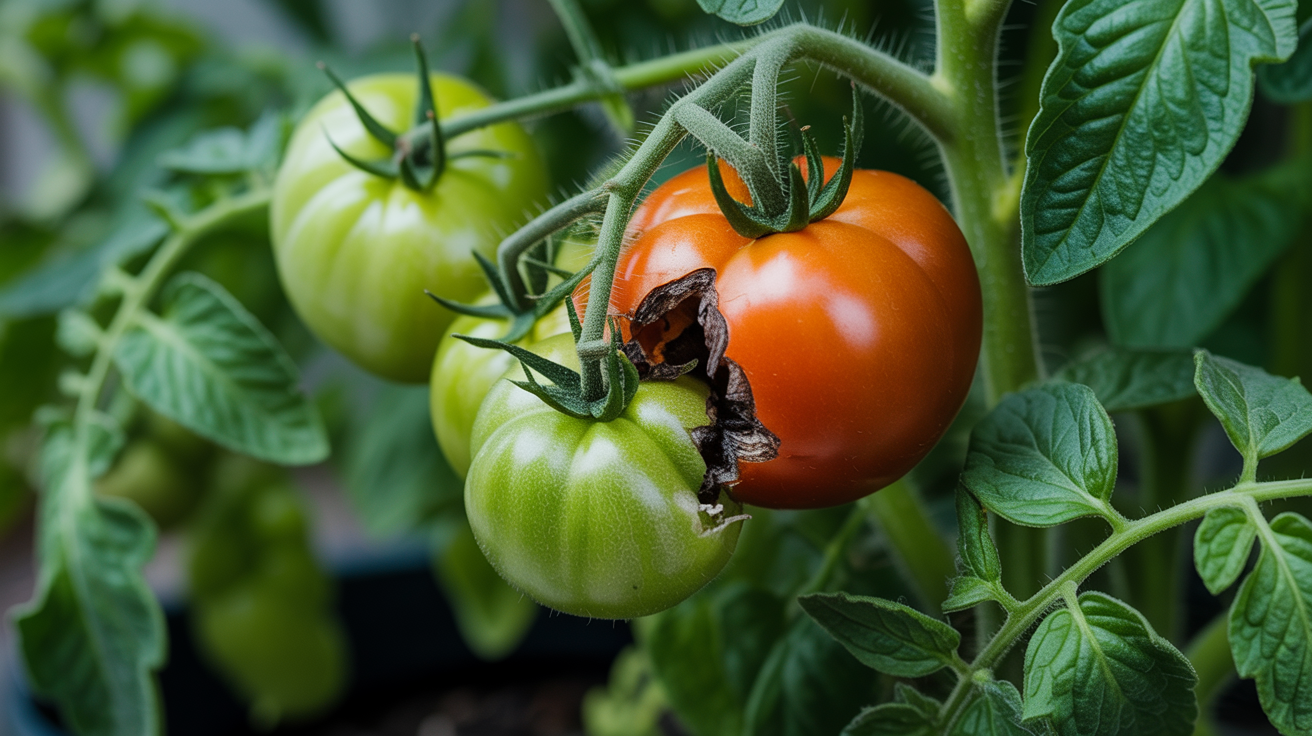
Walk out to your plants in the morning and again at dusk. Many pests feed at night and hide during the day, so what you find in good light is mostly evidence, not the pest itself.
Look for these clues:
- Where is the damage? Top of the plant, lower leaves, stems at soil level, or fruit?
- What does it look like? Ragged holes, clean cuts, stripped stems, silvery streaks, or tiny pinpricks?
- Any frass or webbing? Dark pellets (caterpillar droppings), fine webbing (spider mites), or a slime trail (slugs) narrow it down fast.
- Any insects visible? Check the undersides of leaves. Many pests cluster there.
The table below is a quick-reference cheat sheet. Detailed fixes follow.
| Damage symptom | Most likely culprit | First action |
|---|---|---|
| Large sections of leaves stripped overnight | Tomato hornworm | Hand-pick at dusk with a flashlight |
| Tiny round holes scattered across leaves | Flea beetles | Row cover; diatomaceous earth around base |
| Leaves curling, sticky residue, ants | Aphids | Strong water spray; introduce ladybugs |
| Stem cut clean at soil level | Cutworm | Cardboard collar around stem |
| Irregular slime-trail holes in leaves or fruit | Slugs/snails | Beer trap; crushed eggshells |
| Whole fruit bitten into or missing | Birds, squirrels, deer | Netting; motion-activated sprinkler |
| Leaves stippled silver or bronze, fine webbing | Spider mites | Water spray; increase humidity |
A second way to narrow things down fast: think about when the damage shows up relative to your plant's growth stage.
| Growth stage | Most common threats | Why |
|---|---|---|
| Seedling / just transplanted | Cutworms, flea beetles | Tender stems and soft new leaves are easiest to attack |
| Vegetative growth, pre-flower | Aphids, flea beetles | Lush new foliage attracts sap feeders |
| Flowering to fruit set | Hornworms, slugs | Bigger plant mass gives cover; slugs go after lower leaves and low-hanging fruit |
| Ripening fruit | Birds, squirrels, deer | Sugar content rises and animals key in on color change |
Insect Pests That Damage Leaves
Tomato Hornworms
The tomato hornworm is the most dramatic tomato pest in North America, and also the most commonly overlooked despite being enormous. A full-grown hornworm can reach about four inches long, with eight white V-shaped marks along each side and a distinctive horn-like projection at the rear, but its bright green body blends perfectly against stems and leaf clusters. You often notice the damage before you notice the worm.
Hornworms eat fast. A single caterpillar can strip a large branch to bare sticks overnight. They typically work from the top of the plant downward, and they leave behind dark green or black pellets (frass) on leaves below them, that trail of droppings is the easiest way to find them.
How to deal with them: Go out at dusk or after dark with a flashlight. Hand-picking is considered the most effective control precisely because hornworms are so large and easy to spot once you know where to look. Drop them into a bucket of soapy water. Check every two to three days during summer. If you see hornworms covered in small white rice-like capsules, leave them alone, those are parasitic wasp cocoons, and the wasps will kill the hornworm and then go on to control others in your garden. Killing a parasitized hornworm actually removes a generation of your best free pest control.
Aphids
Aphids are tiny, roughly 1 to 2 millimeters, and come in green, yellow, black, or white clusters depending on the species. They congregate on new growth and the undersides of younger leaves, sucking sap and secreting a sticky substance called honeydew. That honeydew attracts ants (who "farm" aphids to harvest it) and feeds sooty mold, a black fungus that grows on the honeydew film itself rather than on the plant.
Leaves affected by heavy aphid feeding curl downward and may turn yellow. Plants look stunted. If you see ants marching up your tomato stems, check for aphids, the ants are usually a symptom, not the original problem.
How to deal with them: A hard spray of water from the hose knocks them off and drowns many. Repeat daily for a week. Neem oil spray (follow label dilution) works on persistent infestations by discouraging further feeding. Ladybugs and parasitic wasps are natural predators, organic pest control methods that avoid harsh sprays keep those beneficial insects in your garden. For a deeper look specifically at aphid removal, see how to get rid of aphids on vegetable plants.
Flea Beetles
Flea beetles are tiny dark beetles (about 1/16 inch) that jump like fleas when disturbed. They chew small, round holes scattered across leaf surfaces, the plant looks like it was hit with a tiny hole-punch. Seedlings and young transplants are most vulnerable; established plants usually tolerate flea beetle damage without serious harm.
How to deal with them: Row cover (lightweight fabric draped over transplants) blocks them entirely. Diatomaceous earth sprinkled around the base of plants and on leaves deters feeding. Most established tomato plants outgrow significant flea beetle damage by midsummer without intervention. If seedlings are losing more than 20 percent of their leaf surface in the first two weeks after transplant, that's the threshold worth treating, below that, the plant typically shrugs it off.
Pests That Attack Stems and Roots
Cutworms
Cutworms are the larvae of several moth species. They live in the soil and come out at night to cut seedlings off at the base, hence the name. As the larvae feed, they wrap their bodies around the stem, and the cutting action severs the plant just above the soil surface. You'll find your plant lying on the ground, severed cleanly at or just below soil level. The rest of the plant is usually still intact; the cutworm isn't eating the whole thing, just cutting through the stem.
How to deal with them: The classic fix is a physical collar. Cut a cardboard tube (paper towel roll works) or use a strip of aluminum foil, into 3-inch rings, and push one an inch into the soil around each transplant with several inches standing above ground. The barrier stops the cutworm from reaching the stem, and it's close to a guaranteed fix if you install it at transplanting rather than after damage appears. You can also dig around the base of a cut plant and find the cutworm curled up in the top inch or two of soil, they roll into a C-shape when disturbed. Remove and dispose of them.
Slugs and Snails
Slugs leave irregular, ragged holes in leaves and sometimes in fruit. The definitive sign is a shiny slime trail, visible in the morning before it dries. They feed at night and hide under debris, boards, or in soil cracks during the day, and they're most active during and after rain, when humidity is high and the soil surface stays damp.
How to deal with them: Beer traps work well, bury a shallow container so the rim is level with the soil, fill it halfway with cheap beer, and slugs fall in overnight. Crushed eggshells or coarse sand around plant bases create an abrasive surface they avoid. Remove leaf litter and boards where they shelter. Copper tape around raised beds creates a mild deterrent (slugs dislike the charge). Check common vegetable garden pests and how to get rid of them for a broader guide if you're dealing with multiple pest types at once.
Animals Eating Your Tomatoes
Deer
Deer take large, obvious bites from leaves and fruit, often pulling whole branches down or snapping them. The damage tends to be at consistent heights (deer reach about 4–6 feet) and covers the whole plant rather than isolated leaves. They leave no slime trail or frass.
Fix: Deer fencing is the only reliable long-term solution. A 7–8 foot fence or a double-layer fence (two shorter fences 3 feet apart) stops them, deer are reluctant to jump into a space they can't judge the depth of. Motion-activated sprinklers provide some deterrent but deer adapt within a season or two. Deer-repellent sprays (predator urine, capsaicin formulas) need frequent reapplication, especially after rain, treat them as a stopgap while you plan a fence, not a permanent solution.
Squirrels and Chipmunks
Squirrels and chipmunks go for the fruit, not the leaves, they bite into tomatoes, often picking them before they're fully ripe. You may find half-eaten tomatoes on the ground or missing fruit with no other explanation. In dry spells, squirrels often go after tomatoes specifically for the water content rather than hunger.
Fix: Hardware cloth cages around individual plants work but are labor-intensive. Picking tomatoes as soon as they show color (they ripen fine on a counter) removes the incentive. Motion-activated sprinklers or reflective tape near the plants can discourage repeated visits.
Birds
Birds peck tomatoes, leaving clean, smooth holes, different from the ragged tears mammals leave. They're often after the moisture inside during dry spells as much as the fruit itself.
Fix: Bird netting draped over a simple frame keeps them off. Provide a birdbath nearby; birds that have easy water access are less likely to target your tomatoes for hydration.
Frequently Asked Questions
What is eating my tomato plants at night?
Tomato hornworms, cutworms, and slugs are the most common overnight feeders. Use a flashlight to check plants after dark, hornworms and slugs are much easier to spot then than during daytime.
Why do my tomato leaves have small round holes?
Small, round, scattered holes are almost always flea beetles. They're most damaging on young seedlings. Older established plants usually recover without treatment, though row cover prevents the damage entirely if applied at transplanting.
Are tomato hornworms hard to find?
Yes. Their green color matches tomato foliage almost exactly. Look for the frass (dark droppings) on leaves below the feeding site and work upward to find the worm. Checking at dusk with a flashlight makes them easier to spot because they're active and sometimes more visible against the low light.
Can I use the same treatment for all tomato pests?
No, and this is where beginners often go wrong. Hornworms need hand-picking; a spray won't reach them inside the foliage. Cutworms need a physical collar; sprays don't help once they're in the soil. Slugs respond to traps and barriers, not insecticides. Identify first, then treat.
How do I keep pests from coming back?
Good garden hygiene is the foundation: clear debris at the end of the season, rotate your tomato location each year (this disrupts soil-dwelling pests like cutworms), and encourage beneficial insects by growing flowers like dill, fennel, and marigolds near your tomatoes. Healthy, well-watered plants also tolerate minor pest pressure better than stressed ones.
Is it normal to lose a few leaves to pests every season?
Yes. A healthy tomato plant can lose 10 to 15 percent of its leaf surface to minor feeding without any measurable drop in fruit production. The goal isn't a zero-damage plant, it's catching problems before they cross from cosmetic to plant-threatening, which for most of the pests above means acting within a few days of first noticing the pattern.
How can I tell hornworm damage from deer or rabbit damage?
Hornworms strip leaves down to bare stems but rarely touch stems thicker than a pencil, and you'll find frass on the leaves below. Deer and rabbits snap or bite through stems and take whole branches, and they leave no droppings behind on the plant itself. If the damage includes cleanly cut stems higher than a hornworm could reasonably reach, look for animal tracks or browse height instead of searching for a caterpillar.