Pests & Diseases
How to Keep Animals Out of Your Vegetable Garden
Rabbits, deer, groundhogs, squirrels, birds: learn to identify which animal is raiding your garden and stop them with fencing, netting, and repellents.
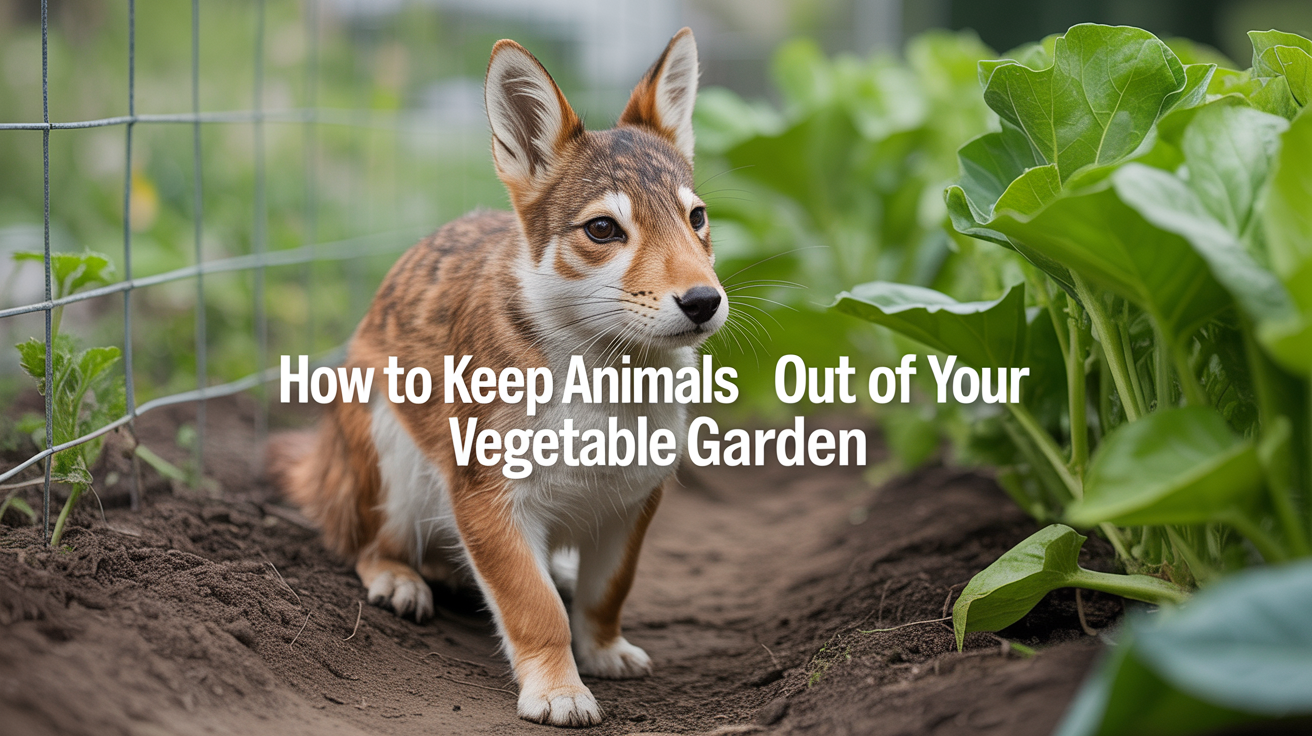
Something raided your garden overnight, and you want to know who did it and how to stop it. This guide covers the most common garden pest animals, how to tell them apart by the damage they leave, and the most reliable ways to keep them out for good.
Who Is Eating Your Garden? Identifying the Culprit
Before spending money on a fix, figure out which animal you're dealing with. The damage patterns are usually clear once you know what to look for.
| Animal | Damage Signs | Tracks or Other Clues |
|---|---|---|
| Rabbit | Clean, angled cuts on stems; seedlings clipped at ground level; damage below 18 inches | Paired hind prints, small round droppings near the garden |
| Deer | Ragged, torn leaves (deer have no upper teeth, just a gumline); tall plants stripped to a skeleton | Large split-hoof prints; damage up to 6 feet high |
| Groundhog | Whole plants consumed down to the soil; burrowing near the garden edge | Wide burrow entrance (6 to 8 inches across), large paw prints |
| Squirrel | Dug-up seedlings; half-eaten fruit left on the ground; bulbs excavated | Small digging holes, tooth marks on fruit |
| Bird | Pecked holes in fruit (especially strawberries and tomatoes); seedlings pulled from loose soil | No tracks; feathers; droppings on leaves or soil |
If you're not sure whether an insect or an animal is responsible for the damage, common vegetable garden pests and how to get rid of them offers a side-by-side comparison of insect versus animal damage signs.
Physical Barriers: The Most Reliable Option
No spray or scare tactic works as consistently as a physical barrier. Repellents wear off in rain, and animals adapt to them over time. A well-built fence or net keeps them out reliably, season after season.
Fencing for Rabbits
Rabbits are the most common garden animal problem, but they're also the easiest to fence out.
- Use hardware cloth (welded wire mesh) with openings no larger than 1 inch.
- A 2-foot-tall fence is enough. Rabbits rarely jump that high into an open area.
- Bury the bottom edge 6 inches deep and bend it outward at a 90-degree angle underground. This stops them from digging underneath.
- Chicken wire works but rusts faster than hardware cloth and has larger openings that let young rabbits squeeze through.
Fencing for Deer
Deer are a different challenge because they can clear 6 feet with ease. A standard garden fence won't stop them.
- A single fence needs to be at least 8 feet tall to reliably keep deer out.
- A double fence works at lower heights: two parallel 4-foot fences set 3 feet apart. Deer will not jump into the narrow gap between them.
- Electric fencing is an effective lower-cost option. A single strand baited with peanut butter at about 30 inches teaches deer to avoid the area. Reapply bait every two weeks and after heavy rain.
- For small raised beds, a low hoop tunnel with bird netting stretched over it protects individual beds during peak deer season.
Fencing for Groundhogs
Groundhogs dig, so a standard fence won't hold them. Use the same hardware cloth approach as for rabbits but scale it up:
- Fence height of 3 to 4 feet above ground.
- Bury the bottom 12 inches deep and bend it outward underground.
- A single strand of electric wire positioned 4 to 5 inches above the ground just outside the fence discourages digging before it starts.
Netting for Birds and Squirrels
For birds and squirrels, row cover or bird netting is the simplest fix.
- Use netting with openings of 3/4 inch or smaller. Larger openings let small birds pass through.
- Anchor the edges firmly to the ground so birds cannot slip underneath.
- Drape netting loosely or support it on hoops. If it rests directly on fruit, birds can still peck through it from outside.
- Netting will not stop a determined squirrel permanently, but it protects most harvests and slows them down enough that they often move on.
Repellents: When to Use Them and What to Expect
Repellents work best as a second layer of defense or when full fencing is not practical. On their own, they rarely hold up against a hungry or persistent animal, but they're a useful addition to a barrier system.
Scent-based repellents work by making the garden smell like a threat or simply unpleasant.
- Predator urine (coyote or fox): sold at garden centers and applied around the perimeter. Deer and rabbits recognize the scent. Reapply after rain.
- Garlic spray or capsaicin spray: applied directly to foliage. Works best on deer and rabbits. Needs reapplication every 7 to 10 days and after any rain.
- Blood meal or human hair collected from a barbershop: sprinkled around the bed edges. Some gardeners find this helpful; results vary and tend to diminish over time.
Motion-activated sprinklers are one of the more reliable non-barrier options. When an animal triggers the sensor, a burst of water scares it off. They work on deer, rabbits, and groundhogs. The main limitation is that they also activate for people walking through, so you'll need to switch them off before entering the garden yourself.
For keeping animals and insects away without chemical products, organic pest control: stopping pests without harsh chemicals covers additional approaches worth considering.
A practical note on timing: repellents work better before animals form a habit of visiting your garden. Once a deer or groundhog finds a reliable food source, it takes more effort to break the pattern.
Habitat Changes That Reduce Animal Pressure
Some gardening choices attract more animals than others. A few simple adjustments lower the number of visitors before they become a problem.
Remove shelter near the garden. Brush piles, dense ground cover, and wood stacks close to the garden give rabbits and groundhogs places to hide and nest. Move these at least 20 feet away.
Stop leaving food out. Fallen fruit, unharvested vegetables, and compost piles with fresh kitchen scraps draw animals in reliably. Harvest frequently, pick up drops daily, and keep compost in a covered bin with a solid bottom.
Mow the edges. Tall grass and weeds at the garden perimeter give cover to small animals approaching the beds. Keep a mowed buffer of 3 to 4 feet around the outside of the garden.
Raised beds with solid sides (galvanized steel or thick timber) are slightly harder for groundhogs and rabbits to access than in-ground plots, especially when you pair them with a low fence along the perimeter.
If animals are consistently hitting your tomatoes and you're unsure whether the damage is from a critter or an insect, what's eating my tomato plants: identifying the culprit can help you sort it out before you invest in a fix.
A Simple Priority Order
If you're starting from scratch with an animal problem, work through this sequence:
- Identify the animal using the damage and track signs in the table above.
- Install a physical barrier specific to that animal. This is the highest-value step.
- Add a repellent as a backup, especially during the first few weeks after the barrier goes up.
- Adjust the habitat around the garden to reduce what's drawing animals in.
Most gardens need only one or two of these steps. A 2-foot hardware cloth fence with a buried edge stops nearly all rabbit damage. Adding more height to that fence stops deer. Once the right barrier is in place, the problem usually ends.
Frequently Asked Questions
What is the most common animal that damages vegetable gardens?
Rabbits cause more damage in vegetable gardens than any other animal across most of North America. They're active at dawn and dusk, and they can wipe out a row of seedlings overnight. A hardware cloth fence buried at the base almost always solves the problem at low cost.
How tall does a deer fence actually need to be?
A single fence needs to be at least 8 feet tall to stop deer reliably. A double fence works at lower heights: two parallel 4-foot fences placed about 3 feet apart do the job because deer will not jump into the narrow corridor between them. Electric fencing baited with peanut butter is a lower-cost option that works well when maintained.
Do repellents actually work for keeping deer and rabbits away?
Repellents help but are not as reliable as physical barriers. Predator urine, garlic spray, and capsaicin products can reduce deer and rabbit visits when applied consistently. Their main weakness is that they wear off in rain and animals sometimes stop responding to them after a few weeks. Use repellents as a supplement to fencing, not a replacement.
How do I stop squirrels from digging up my seedlings?
Lay a sheet of hardware cloth flat across the soil surface after planting. Once seedlings are established and the soil is less disturbed-looking, squirrels typically lose interest. Bird netting over a low hoop frame also works. Physical barriers are more effective than repellents for squirrels.
Can I keep groundhogs out without building a full fence?
It's difficult. Groundhogs are persistent diggers and can squeeze through gaps several inches across. The most reliable approach is a hardware cloth fence buried at least 12 inches deep with the bottom edge bent outward underground. A single strand of electric wire at ground level just outside the fence adds a useful second deterrent. Motion-activated sprinklers reduce visits but usually will not stop a groundhog that has already found food in your garden.