Harvest & Storage
How to Store Fresh Vegetables So They Last Longer
Learn how to store fresh vegetables correctly — which ones need the fridge, which don't, and simple tricks to keep your harvest crisp for days longer.
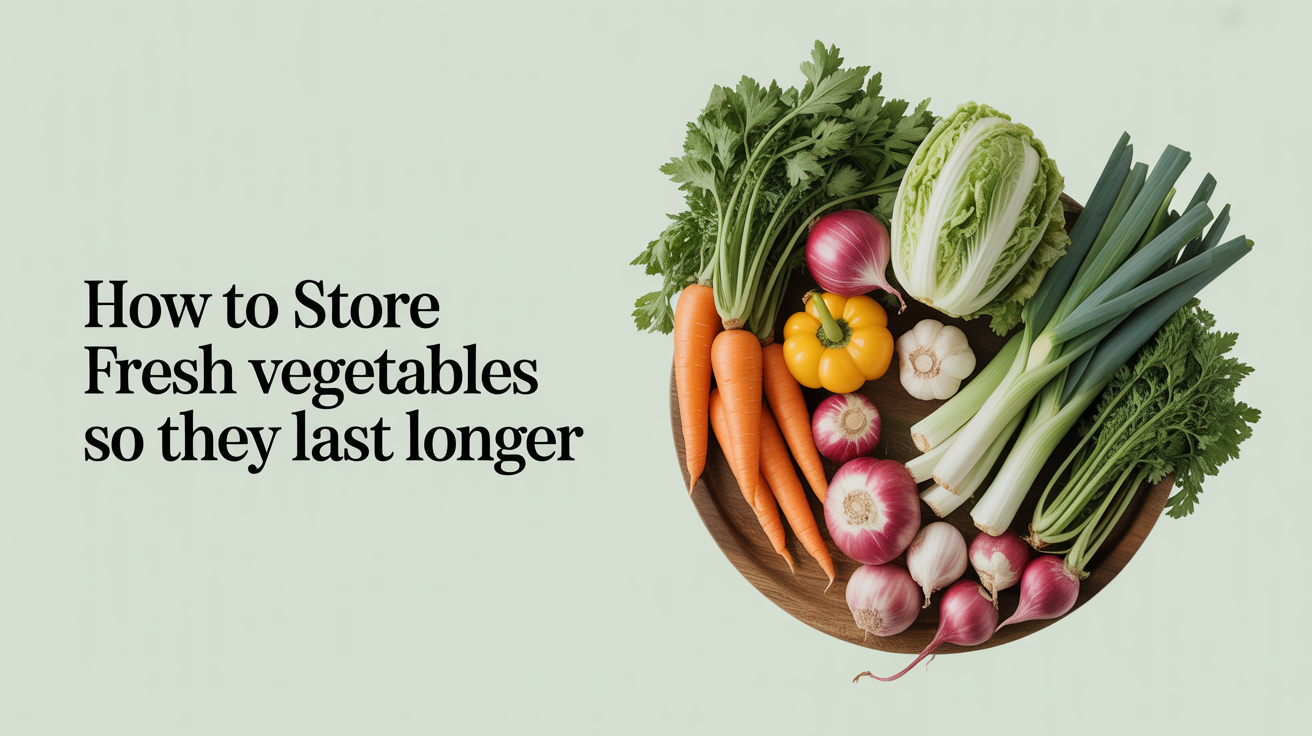
You spent months growing it. The worst thing you can do is pile everything into the fridge and watch half of it turn to mush within four days. Knowing where each vegetable actually belongs, fridge drawer, kitchen counter, or a cool dark shelf, is the single biggest factor in keeping vegetables fresh after harvest.
This guide covers the main storage zones, what to keep separated, and whether to wash before or after storing. A quick-reference table is below if you want to jump straight to a specific vegetable.
The Three Storage Zones (and Why They Exist)
Most vegetables fall into one of three environments.
Cold and humid (fridge, 35–40°F): Leafy greens, broccoli, cauliflower, carrots, beets, peas, green beans, and most fresh herbs do best here. They're trying to slow their metabolism, and the crisper drawer, set to high humidity, keeps cell walls firm longer. A dry fridge drawer is the enemy of crisp lettuce; if yours dries out quickly, lay a barely damp paper towel over the greens.
Room temperature, out of direct sun: Tomatoes, cucumbers, summer squash, basil, and eggplant all suffer in a cold fridge. Tomatoes are the classic example: below 55°F, the cold breaks down the compounds that give them flavor and turns the flesh mealy. A counter spot away from the stove and direct afternoon sun is ideal.
Cool, dark, and dry (40–60°F): Potatoes, onions, garlic, winter squash, and sweet potatoes want a root-cellar environment. A pantry shelf or a cabinet near an exterior wall often works. Avoid anywhere that gets warm in summer. These vegetables actively dislike refrigerator humidity, it speeds up rot and sprouting.
Which Vegetables Should Never Share a Drawer
Some vegetables produce ethylene gas as they ripen. Others are extremely sensitive to it and deteriorate fast when exposed. Keeping them together shortens shelf life noticeably.
High ethylene producers: Tomatoes, peppers, and to a lesser extent cucumbers.
Ethylene-sensitive vegetables: Leafy greens, broccoli, carrots, cauliflower, peas, and herbs.
Practical rule: keep your ripening tomatoes on the counter away from the bowl of fresh herbs, and store leafy greens in a separate drawer from peppers. In the fridge, keeping them in closed bags or containers gives you extra insurance.
Onions and potatoes are another pair to separate. Onions emit gases that cause potatoes to sprout faster. Store them in different spots, even if both are in the pantry.
Wash Before or After Storing?
After, with a few exceptions. Washing adds surface moisture, and moisture accelerates mold and bacterial growth on cut or leafy surfaces.
- Leafy greens: Don't wash until you're ready to use them. Wet leaves rot quickly even in the fridge. If you've already rinsed them, spin them very dry in a salad spinner and store loosely wrapped in a dry paper towel inside a zip bag.
- Root vegetables: Brush off loose soil, but don't wash until cooking. A little residual dirt is protective.
- Berries and small vegetables: Same rule, wash right before eating, not before storing.
- Cucumbers and peppers: Leave dry; washing just introduces moisture into the skin's tiny folds.
One exception: if you harvest herbs or cut flowers from the garden and they're wilting, a quick rinse and a 30-minute soak in cold water can perk them back up before storage.
Quick-Reference Storage Table
| Vegetable | Best Storage Spot | Rough Shelf Life |
|---|---|---|
| Lettuce / salad greens | Fridge crisper (high humidity) | 5–7 days |
| Tomatoes | Counter, room temperature | 5–7 days |
| Cucumbers | Counter or low-humidity fridge | 5–7 days |
| Carrots | Fridge (remove tops first) | 2–4 weeks |
| Broccoli | Fridge crisper | 4–7 days |
| Cauliflower | Fridge crisper | 5–7 days |
| Peppers | Room temperature (or fridge for 1 week+) | 1–2 weeks |
| Green beans | Fridge crisper | 5–7 days |
| Potatoes | Cool, dark, dry pantry | 2–3 months |
| Onions | Cool, dark, dry pantry | 1–2 months |
| Garlic | Cool, dark, dry pantry | 3–6 months |
| Zucchini / summer squash | Counter or fridge | 4–7 days |
| Winter squash (acorn, butternut) | Cool, dark pantry | 1–3 months |
| Beets | Fridge (remove greens) | 2–4 weeks |
| Basil | Counter in a jar of water | 5–7 days |
| Kale / chard | Fridge crisper | 5–7 days |
| Peas | Fridge, eat soon | 3–5 days |
| Sweet potatoes | Cool, dark pantry | 1 month |
| Corn | Fridge, eat within 1–2 days | 1–2 days |
Corn is worth calling out: once picked, the sugars start converting to starch almost immediately. Eat it as fast as possible, ideally the same day. If you've got a surplus, blanching and freezing is a much better option than trying to store it fresh for a week.
Prep Steps That Actually Extend Shelf Life
A few small habits at harvest time make a meaningful difference.
Remove tops from root vegetables. Carrot tops, beet greens, and radish leaves keep pulling moisture from the root after harvest. Cut them off an inch above the crown and store greens separately if you plan to use them.
Don't break the stem seal on garlic until you need it. A whole bulb lasts months; individual cloves go soft in a couple of weeks once separated.
Store potatoes in paper bags or a breathable basket. Plastic traps moisture and speeds rot. A brown paper bag in a cabinet works well.
Herbs do better upright in water. Parsley, cilantro, and mint stay fresher for days longer if you trim the stems and stand them in a glass of water in the fridge (like flowers). Basil is the exception, it hates cold, so leave it at room temperature on the counter, stems in water, uncovered.
Check your fridge temperature. Most home fridges run warmer than people realize. The vegetable crisper should be around 35–38°F. An inexpensive fridge thermometer is one of the most useful tools in the kitchen if you're serious about storing garden vegetables well.
If you end up with more than you can use fresh, especially from a big harvest of green beans, corn, or leafy greens, freezing is the most practical preservation method. How to freeze garden vegetables the right way covers blanching times and the steps that prevent freezer burn.
Knowing when to pick also affects storage. Vegetables harvested at peak ripeness (not overripe) store longer. For detailed guidance on timing your harvest, when and how to harvest your vegetables is a useful starting point for each common crop.
Tomatoes in particular have their own nuances around ripeness and picking. If you're not sure what to look for, how to tell when tomatoes are ripe and how to pick them walks through the signs by variety.
Frequently Asked Questions
Can I refrigerate tomatoes if they're already cut?
Yes. Once a tomato is cut, refrigerate the remainder and use it within two days. Place it cut-side down on a small plate or wrap it loosely. The fridge damage happens to whole tomatoes stored cold before they've fully ripened, a cut tomato is past that point, so cold storage is the right call.
Why do my carrots go limp in the fridge?
Carrots lose moisture fast when stored uncovered. Keep them in a sealed bag or airtight container in the crisper drawer. For very limp carrots, a 30-minute soak in ice water can restore some crispness before eating.
Do potatoes need to be stored in the dark?
Yes. Light causes potatoes to produce solanine, a mildly toxic compound that makes the skin turn green and gives a bitter taste. A dark pantry or paper bag in a cabinet is sufficient. Cut away any green parts before cooking.
How long do garden onions last compared to store-bought?
Freshly harvested onions with dry, cured skins last as long as store-bought, one to two months in a cool, dry spot. The key is curing: after pulling from the ground, let them dry in a warm, airy place for two to three weeks until the outer skin is papery and the neck is completely dry. Skipping the cure shortens storage significantly.
Is it okay to store different vegetables together in the same fridge drawer?
It depends on the combination. Leafy greens, broccoli, carrots, and green beans can share a high-humidity drawer without issue. The pairing to avoid is high-ethylene producers (tomatoes, peppers) with ethylene-sensitive vegetables (greens, broccoli, peas). If you're storing those together, use closed bags to limit gas exposure.