Harvest & Storage
How to Tell When Tomatoes Are Ripe (and How to Pick Them)
Learn exactly when tomatoes are ripe using color, feel, and the twist test — plus how to ripen green tomatoes off the vine.
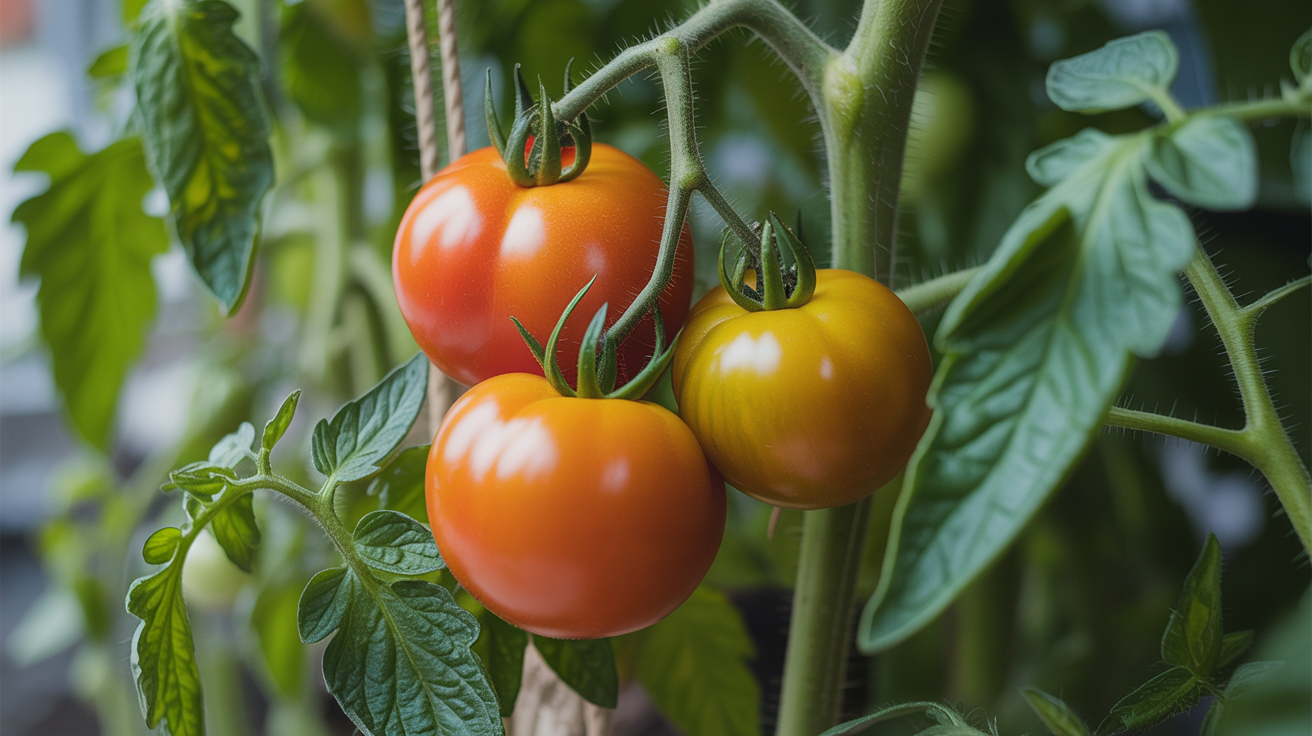
Most gardeners pick tomatoes too early or too late. Once you know the two or three things to check, you'll get it right almost every time. Color gets most of the attention, but feel and how easily the fruit releases from the plant are just as important.
The Ripeness Cues That Actually Matter
Color. A fully ripe tomato reaches its "destination color", the final shade the variety was bred for. That's red for most slicers, but it can be deep purple (Cherokee Purple), striped green-yellow (Green Zebra), orange (Sungold), or almost black (Indigo Rose). Know what your variety is supposed to look like before you plant it; otherwise you'll be guessing against the wrong target.
Feel. Squeeze very gently. A ripe tomato gives slightly under light pressure, it has a small amount of give, similar to a peach at peak ripeness. An unripe tomato feels hard, like a golf ball. An overripe one collapses too easily or feels squishy around the blossom end.
The twist test. Cradle the tomato in your palm, hold the vine steady with your other hand, and give a gentle upward twist. A ripe tomato releases with almost no effort. If you have to yank, it needs more time. This test matters more than color alone because some varieties (especially certain heirlooms) shift color before the interior is fully ripe.
Smell. The stem end of a ripe tomato smells earthy and faintly sweet. No scent usually means not ready. This cue is subtle and takes some practice, but it's a reliable backup when color and feel are ambiguous.
Ripeness Stages at a Glance
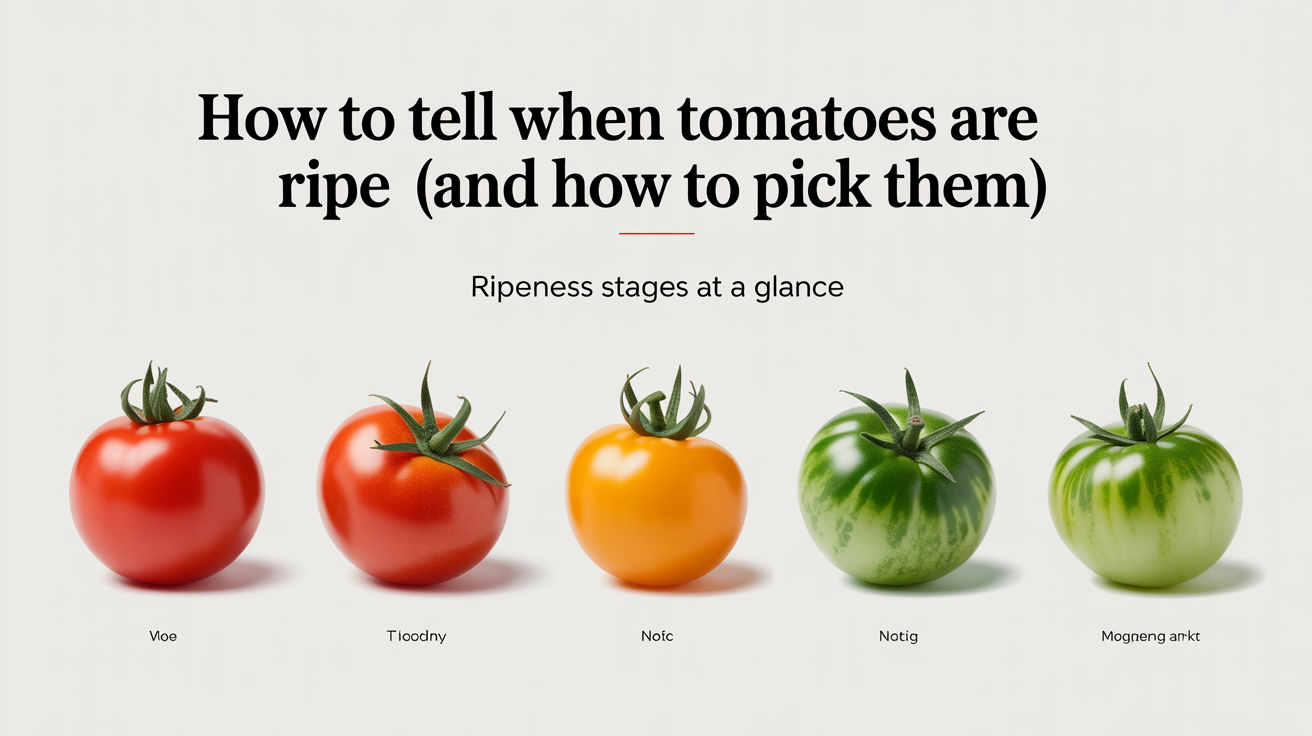
| Stage | What It Looks Like | What to Do |
|---|---|---|
| Immature green | Firm, bright green, no color break | Leave on the vine |
| Breaker | First blush of color appears (10% or more) | Safe to pick; ripen indoors |
| Turning | 10–30% of surface has changed color | Pick if frost is coming; ripen indoors |
| Pink/light | 30–60% colored, still some green | Pick if needed; counter-ripen quickly |
| Light red / orange | 60–90% of final color | Best pick point for transport; ripens in 1–3 days |
| Full ripe | 100% destination color, slight give | Pick and eat within a few days |
| Overripe | Splitting, very soft, blossom-end collapse | Pick immediately; use in sauce today |
The Breaker Stage: Why You Don't Have to Wait for Full Color
Once a tomato hits the "breaker" stage (the moment the first patch of non-green color appears), the fruit has finished taking resources from the plant. It will ripen fully off the vine on your counter, reaching the same flavor and sugar level it would have on the plant.
This is genuinely useful, not just a last resort. Picking at the breaker stage:
- Protects fruit from splitting after heavy rain
- Keeps it away from squirrels, birds, and hornworms that key in on ripe color
- Lets you manage a large harvest over a week rather than all at once
To ripen tomatoes off the vine, set them stem-side down on your counter at room temperature, out of direct sun. Direct sun makes them mushy without improving ripeness. Check them daily. Most will reach full color in three to seven days depending on starting stage and ambient temperature.
One rule, no exceptions: do not refrigerate fresh tomatoes. Cold temperatures break down the compounds that give tomatoes their flavor and texture. A refrigerated tomato turns mealy and flat within a day or two. The counter is always the right place, even after the tomato is fully ripe. If you need a few more days before eating, leave it on the counter; just use it before it splits. For longer storage, see how to store fresh vegetables so they last longer.
How to Pick Tomatoes Without Damaging the Plant
Use scissors or pruning snips for large-fruited varieties. Cut the stem about a quarter inch above where it meets the vine. Snapping or twisting large tomatoes can injure the branch or knock off nearby clusters.
For cherry and grape tomatoes, the twist method works well. Hold the cluster, twist a single fruit, and it comes free cleanly.
Pick into a shallow container or basket rather than a deep bucket. Stacking tomatoes (especially ripe ones) bruises the fruit on the bottom.
Pick in the morning if you can. The fruit is cooler, firmer, and under less sun stress. Afternoon heat accelerates softening.
Dealing with Green Tomatoes at the End of the Season
When the first hard frost is a week or two out, pick every tomato that has reached at least the breaker stage and bring it inside to ripen on the counter. It will finish fine. Fully green tomatoes with no color change at all are less predictable but still worth saving.
For green tomatoes, try one of these:
- Paper bag method. Place green tomatoes in a single layer in a paper bag with a ripe apple or banana. Ethylene gas from the apple accelerates ripening. Check every two days.
- Counter method. Set them out stem-side down away from direct sun and cold drafts. Slower but works just as well. Some will ripen in a week; others take three weeks.
- Fry them. Firm green tomatoes (before any color break) are the right texture for frying, slice thick, coat in cornmeal, and cook in a skillet. No waiting required.
Avoid storing green tomatoes in the refrigerator or on a windowsill in cold weather. Below about 50°F (10°C), the ripening process essentially stops and the texture degrades.
For a full look at when and how to harvest your vegetables, the same core principle applies across most crops: watch for the sensory cues (color, feel, smell, ease of release) rather than relying on a fixed calendar date.
Once you have more tomatoes than you can eat fresh, freezing garden vegetables is one of the simplest ways to preserve them. Tomatoes freeze well for sauces and soups.
Variety-Specific Notes
Cherry tomatoes (Sweet 100, Sun Gold, Juliet) are ready when they release with almost no resistance. They split fast after rain, so check them daily in wet weather. Taste one if you're unsure, they should be noticeably sweet, not tart.
Beefsteak and large heirloom varieties (Brandywine, Big Boy) take the longest to develop full color and often show green shoulders (the top near the stem stays slightly greenish) even when fully ripe. Don't wait for the shoulders to turn completely, go by feel and interior color instead.
Roma and paste tomatoes should feel heavy for their size and give slightly at the blossom end. They're ready when the skin has turned uniformly red or whatever their destination color is, and the flesh feels firm but not hard.
Frequently Asked Questions
Can I pick tomatoes before they turn red?
Yes. Any tomato that has reached the breaker stage (at least a small patch of color showing) will ripen fully off the vine. The flavor and sugar development are already locked in at that point.
Why do my tomatoes keep splitting before I pick them?
Splitting is almost always caused by uneven watering, a dry spell followed by heavy rain or irrigation causes the fruit to expand faster than the skin can stretch. Pick tomatoes at the light-red stage before rain arrives, and try to water consistently rather than in large, infrequent doses.
My tomatoes are red but still taste bland. What went wrong?
A few causes: too much water dilutes flavor; cool overnight temperatures during ripening reduce sugar development; some hybrid varieties are bred for appearance and shelf life rather than flavor. Try watering less as fruit approaches ripeness, and consider growing heirloom varieties next season.
How long do ripe tomatoes last off the vine?
At room temperature, a fully ripe tomato is best within two to four days. It will hold for up to a week if it was picked slightly underripe. Once it starts to soften significantly at the blossom end, use it that day.
Can I ripen tomatoes on a sunny windowsill?
No. Direct sun heats the skin unevenly and makes tomatoes mushy rather than ripe. Indirect light or no light at all is better. The ripening process is driven by ethylene gas and temperature, not sunlight.