Pests & Diseases
Tomato Diseases: Blight, Blossom End Rot, and How to Prevent Them
Learn to diagnose and prevent the most common tomato plant diseases, including blight, blossom end rot, and septoria leaf spot.
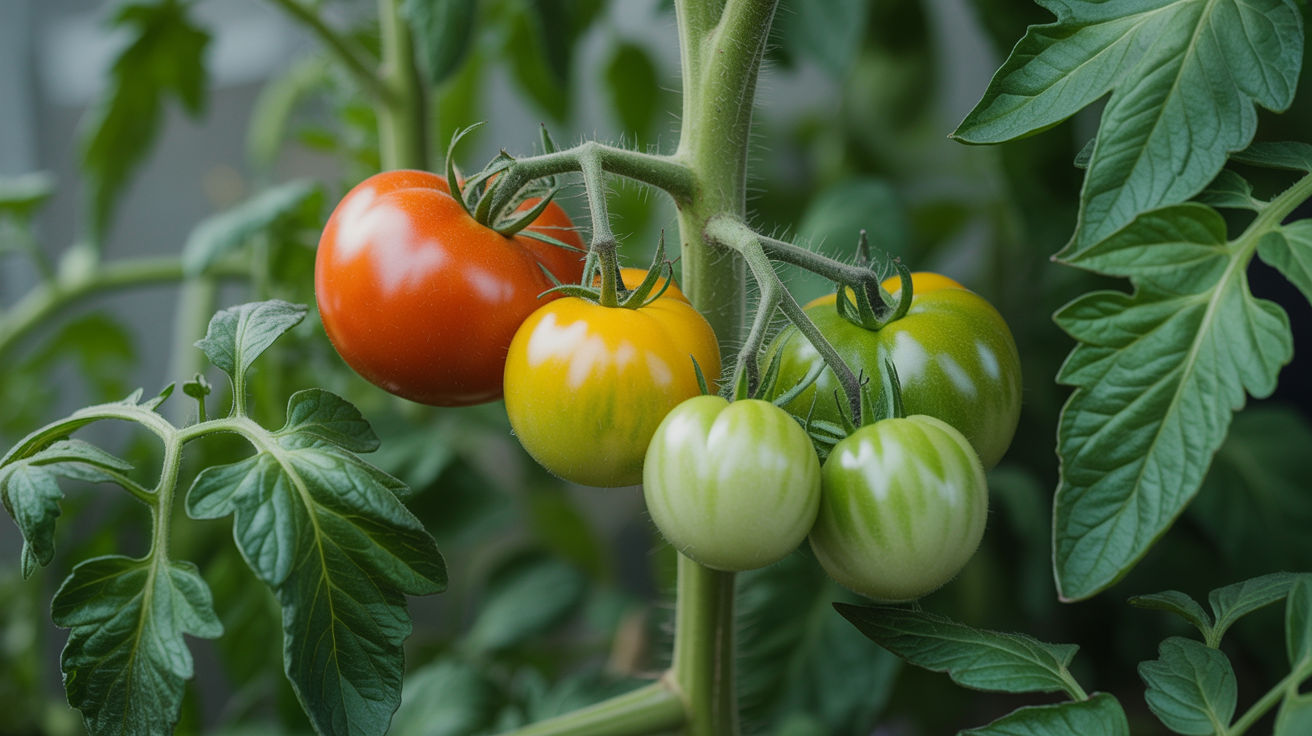
Tomatoes are one of the most satisfying vegetables to grow, and also one of the most prone to problems. Knowing how to read the signs on your plants means you can act quickly instead of watching a whole crop fall apart.
At a Glance
- Blossom end rot is a calcium and watering problem, not a disease. Fix the watering and it usually resolves on its own.
- Early blight shows target-ring spots on lower leaves and spreads slowly over weeks; late blight is water-soaked and spreads within days.
- Septoria leaf spot looks similar to early blight but has smaller, more numerous spots without the ring pattern.
- Nearly every fungal tomato disease is driven by wet foliage and poor airflow, so prevention starts with how you water, not what you spray.
- Rotate tomatoes and other nightshades to a new spot every 3 years; fungal spores overwinter in the soil.
- Check seed packets and plant tags for resistance letter codes before you buy, resistant varieties are the single most durable prevention tool.
A Symptom-to-Cause Quick Reference
Before getting into each problem in detail, this table gives you a fast way to narrow things down. Use it as a starting point, not a final diagnosis. Multiple problems can appear at the same time.
| Symptom | Likely Cause |
|---|---|
| Brown, leathery patch on the bottom of the fruit | Blossom end rot |
| Dark brown spots with a pale center on lower leaves | Septoria leaf spot |
| Dark water-soaked spots on leaves, spreads fast | Late blight |
| Tan or brown target-ring spots on older leaves | Early blight |
| Leaves turning yellow then brown from the bottom up | Septoria or early blight |
| Fruit has sunken black rot at the blossom end | Blossom end rot |
| White fuzzy growth on stem undersides or leaves | Late blight in humid conditions |
According to a tomato diseases and disorders factsheet from Clemson Cooperative Extension's Home & Garden Information Center, these four problems, blossom end rot, early blight, late blight, and septoria leaf spot, account for the large majority of tomato leaf and fruit complaints home gardeners bring to extension offices each summer.
Blossom End Rot: Not Actually a Disease
Blossom end rot is probably the most common tomato problem beginners run into. The fruit looks mostly normal, but a brown or black sunken patch develops at the bottom, the side opposite the stem. It can look alarming, but the cause is simpler than it seems.
Blossom end rot is a calcium deficiency inside the developing fruit. Here is the part that trips people up: your soil almost certainly has enough calcium. Clemson's factsheet lists the actual drivers as fluctuating soil moisture, root damage from cultivating too close to the plant, and heavy nitrogen or potassium fertilization, all of which interfere with how calcium moves through the plant even when the soil test comes back fine. The real problem is usually inconsistent watering. When soil moisture swings between bone dry and waterlogged, the plant cannot absorb and move calcium fast enough to keep up with rapid fruit growth. The blossom end is the last tissue to receive calcium, so it breaks down first.
What actually helps:
- Water consistently. This is the single most effective fix. Aim for 1 to 1.5 inches per week, more during hot spells. A drip line or soaker hose makes this easy to maintain.
- Mulch thickly, 3 to 4 inches, to hold soil moisture between waterings.
- Avoid high-nitrogen fertilizers once plants are setting fruit. Too much nitrogen pushes leaf growth at the expense of developing tomatoes.
- For container plants, check pot size and drainage. Small pots dry out fast and are hard to water evenly, a 5-gallon container can lose enough moisture in one hot afternoon to trigger blossom end rot on the next fruit set.
- Calcium foliar sprays are sold as a quick fix but they do very little. The fruit's calcium supply comes almost entirely through the roots, not the leaf surface, so spraying leaves rarely reaches the tissue that needs it. Fix the watering first and the problem usually resolves on its own.
Fruit that is already affected will not recover, but if you correct watering habits, the next fruits on the plant will come in fine. Most gardeners see clean fruit again within two to three weeks of stabilizing their watering schedule, roughly the time it takes a new fruit cluster to size up.
Early Blight and Late Blight: Two Different Problems
People use "tomato blight" as a catch-all, but early and late blight are caused by different organisms and behave very differently.
Early Blight
Early blight is caused by the fungus Alternaria solani. It typically appears on the older, lower leaves after the plant has started setting fruit. The spots are brown with a yellow ring around the outside and a concentric ring pattern inside, similar to a target. That ring pattern is the most reliable identifying feature. Leaves yellow and drop as spots spread. The disease moves upward slowly through the plant and rarely kills a tomato outright, but it weakens the plant and cuts into yields, a moderate early blight infection can reduce total fruit yield by a noticeable margin if left unchecked for several weeks.
Late Blight
Late blight is caused by Phytophthora infestans, the same organism behind the Irish Potato Famine. It is far more destructive and moves much faster. Look for water-soaked, dark blotches on leaves that spread rapidly. During cool, wet weather, a plant can be heavily damaged within a few days. A white or grayish fuzzy coating often appears on the undersides of affected leaves. Stems turn brown and mushy. Fruit develops firm, brown rot.
Late blight is a serious concern in cool, humid climates or during unusually wet summers. The spores travel on wind and water, and an infected plant left standing can seed an entire neighborhood's tomato patches within a couple of weeks. If you suspect late blight, pull and bag the plant immediately rather than waiting to confirm.
Telling Them Apart
| Feature | Early Blight | Late Blight |
|---|---|---|
| How fast it spreads | Slow, over weeks | Fast, within days |
| Spot appearance | Target rings, yellow halo | Irregular, water-soaked, dark |
| White fuzzy coating | No | Often on leaf undersides |
| Typical season | Warm, dry weather | Cool, wet weather |
| Where it starts | Lower, older leaves | Any part of the plant |
| Fruit affected | Rarely, mostly foliage | Yes, firm brown rot |
| Response if confirmed | Remove affected leaves, treat | Remove whole plant promptly |
Septoria Leaf Spot
Septoria leaf spot is caused by the fungus Septoria lycopersici and is one of the most common reasons tomato leaves turn brown mid-season. It starts on the lowest leaves as small round spots, each with a white or tan center and a dark border. Unlike early blight, the spots are smaller (often under a quarter inch) and more numerous, and they do not show the target ring pattern. If you look closely at an older spot with a hand lens, you can sometimes see tiny black specks in the center, these are the fungus's spore-producing structures, and their presence is a reliable way to distinguish septoria from early blight in the field.
The disease spreads upward through the plant as the season goes on. Infected leaves yellow and drop, weakening the plant and leaving developing fruit exposed to sunscald. Septoria does not infect the fruit directly, which distinguishes it from blight. But heavy defoliation still hurts your harvest, a plant that has lost most of its lower and middle canopy by midsummer produces smaller, less flavorful fruit for the rest of the season.
Prevention: What Actually Works
Most tomato plant diseases are fungal, and they all share the same basic conditions: moisture sitting on leaves and poor airflow around the plant. Prevention is almost always more effective than treatment.
Rotate your crops. Do not plant tomatoes, peppers, eggplant, or potatoes in the same spot more than once every three years. Fungal spores overwinter in the soil.
Water at the base. Wet foliage is the main driver of fungal disease. Use drip irrigation, a soaker hose, or water by hand at soil level. Avoid overhead watering, especially in the evening.
Mulch the soil surface. A 3- to 4-inch layer of mulch prevents soil from splashing up onto lower leaves during rain or watering. Soil splash is a primary infection route for both septoria and early blight, since fungal spores overwinter in soil debris and ride raindrops directly onto the lowest leaves.
Improve airflow. Space plants according to the seed packet, usually 18 to 24 inches for determinate types and 24 to 36 inches for indeterminate. Remove suckers regularly and strip lower leaves to keep the center of the plant open.
Remove lower leaves proactively. Once plants are established, strip the leaves from the bottom 12 inches of the stem. These are the leaves most likely to pick up spores from the soil.
Choose resistant varieties. Check the label for letter codes after the variety name. Per the University of California's Master Gardener Program breakdown of these codes, common ones include V (Verticillium wilt), F (Fusarium wilt), N (nematodes), T or TMV (tobacco mosaic virus), and A (Alternaria stem canker); some newer hybrids also carry LB and EB codes for late blight and early blight resistance specifically. Resistance is not immunity, a resistant plant can still show symptoms, but it typically tolerates the infection well enough to keep producing. Varieties like Mountain Merit, Defiant, and Jasper cherry also carry late blight resistance.
Clean up thoroughly at season's end. Pull plants and dispose of them in the trash, not the compost bin. Home compost piles rarely reach the sustained heat needed to kill fungal spores, so diseased material just re-infects next year's bed. Till or turn the soil to bury any remaining debris.
If you want to treat an active infection, copper-based fungicides and products containing chlorothalonil are commonly used for fungal diseases. Always read and follow the label for application rates, timing between sprays, and pre-harvest intervals. For organic options, check our guide on organic pest control: stopping pests without harsh chemicals.
If you are not sure whether the damage on your tomatoes is from disease or insects, what's eating my tomato plants: identifying the culprit walks through how to tell the difference. For a broader look at garden pests that can show up alongside disease, common vegetable garden pests and how to get rid of them covers the usual suspects.
Frequently Asked Questions
Can I eat tomatoes that have blossom end rot? Yes. Cut away the affected area and the rest of the fruit is perfectly fine to eat. The discolored tissue is dead plant cells, not a pathogen. It will not spread to other fruit on the vine through handling.
My tomato leaves are turning brown and falling off. Is this blight? Browning leaves mid-season most often point to septoria leaf spot or early blight. Check for spots: septoria produces small round spots with pale centers, while early blight leaves larger spots with visible target rings. If leaves are yellowing and dropping without any obvious spots, the cause may be a nutrition imbalance or erratic watering. Late blight is less common but acts much faster, and the spots look water-soaked and dark rather than dry and ringed.
Can blight spread from my tomatoes to other vegetables? Early blight and septoria leaf spot are specific to the nightshade family, which includes tomatoes, peppers, eggplant, and potatoes. Late blight infects both tomatoes and potatoes and spreads readily between them. Keep infected plant material away from all nightshades, and rotate where you plant each year to break the disease cycle.
When should I reach for a fungicide versus just removing leaves? For mild septoria or early blight, removing the affected leaves and improving airflow is often enough, particularly early in the season before the infection has a foothold. Fungicide makes sense when the infection is spreading rapidly, weather is staying wet, or you are dealing with late blight. Whatever product you use, follow the label for application rate, frequency, and the pre-harvest interval.
Does watering in the morning actually matter? It does. Morning watering lets any water that splashes onto leaves evaporate before temperatures drop in the evening. Wet foliage overnight is the condition fungal spores need to germinate. Evening watering is not catastrophic if it is the only option, but morning watering is a simple habit that reduces disease pressure over a whole season.
Is it worth testing a suspicious leaf before treating? For a home garden, usually not necessary. The visual differences (spot size, ring pattern, speed of spread, and whether the fruit is affected) are reliable enough to guide a decision most of the time. If an entire planting collapses within days during cool, wet weather, that pattern alone is enough to point to late blight and justify pulling plants immediately rather than waiting on a lab result.