Harvest & Storage
What to Do With a Glut of Zucchini and Other Summer Crops
Too much zucchini? Here's how to use, freeze, share, and slow the flood of summer vegetables from your garden.
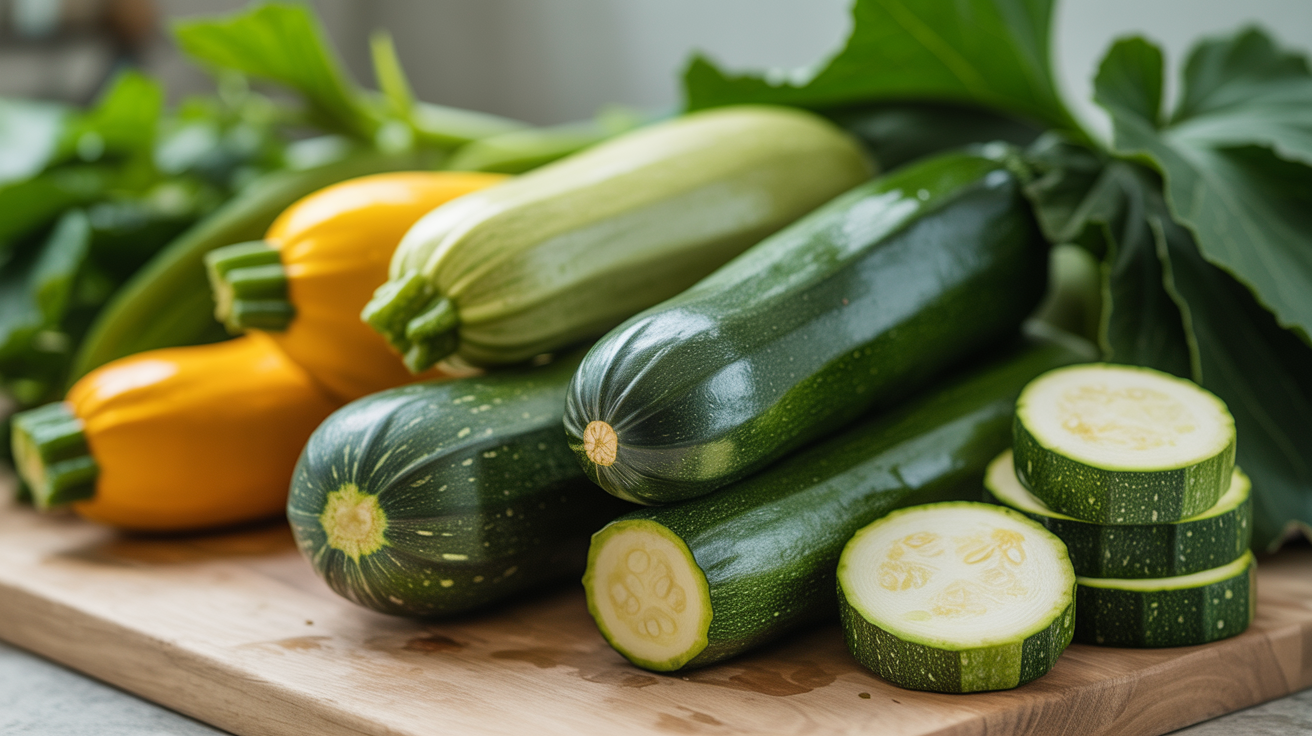
A zucchini plant can go from nothing to a vegetable the size of a baseball bat in about three days. If you're staring at a pile of summer squash, tomatoes, cucumbers, and beans that you have no idea what to do with, you're in very good company.
Why the Glut Happens (and Why You're Not Failing)
Summer crops are bred to produce fast and heavily. One or two zucchini plants is genuinely enough for most families. The same goes for tomatoes and cucumbers. A beginner garden often has too many of each because the seed packets and nursery labels understate how productive these plants can be in decent soil with regular watering.
Knowing why it happens matters because the fix is partly about this year (using and storing what you have) and partly about next year (planting less or staggering the harvest).
For now, let's deal with the pile in front of you.
A Crop-by-Crop Guide to Using the Surplus
Different vegetables handle abundance differently. Some freeze well, some are best eaten fresh within days, and some can sit on the counter for a week if you treat them right.
| Crop | Best fresh uses | Best for freezing | How long it keeps fresh |
|---|---|---|---|
| Zucchini / summer squash | Stir-fries, fritters, pasta, soup, quick bread | Grated and frozen flat in bags | 4 to 5 days in the fridge |
| Tomatoes | Salads, sandwiches, sauce, salsa | Roasted, blended, or whole | 5 to 7 days on the counter |
| Cucumbers | Salads, quick pickles, cold soup | Not recommended | 3 to 5 days in the fridge |
| Green beans | Stir-fries, salads, side dishes | Blanch first, then freeze | 4 to 7 days in the fridge |
| Runner beans | Same as green beans | Blanch first, then freeze | 4 to 7 days in the fridge |
| Courgette flowers | Stuffed and fried, in frittata | Not recommended | 1 to 2 days in the fridge |
Before doing anything else with fresh produce, wash it. A rinse under cold running water removes dirt and debris that can affect both taste and shelf life.
For more on timing your picks correctly so you're not constantly catching up, see when and how to harvest your vegetables.
Freezing and Preserving What You Can't Eat Right Now
Freezing is the fastest, most beginner-friendly way to handle overflow. It takes very little equipment and you end up with ingredients you can actually use in winter.
Freezing Zucchini
The best method for zucchini is to grate it, squeeze out as much water as you can, and freeze it in measured portions (usually 1 to 2 cups each). Lay the bags flat in the freezer so they stack easily. Frozen grated zucchini keeps well for up to three months and goes straight into:
- Zucchini bread or muffins
- Fritters and pancakes
- Pasta sauces and soups (it disappears and adds body without much flavor)
You can also slice zucchini into half-inch rounds, blanch them for two minutes in boiling water, cool in ice water, dry thoroughly, and freeze on a tray before bagging. This gives you a vegetable you can roast or add to a stir-fry later. The texture softens after freezing, so plan to cook rather than eat raw.
Freezing Tomatoes
Tomatoes are one of the easiest things to preserve. You have a few choices:
Whole: Wash and freeze whole tomatoes on a tray, then bag them once solid. The skins slip off easily when you run a frozen tomato under warm water. Use in cooked dishes only.
Roasted: Halve tomatoes, toss with olive oil, salt, and garlic if you like, and roast at 375F for 45 to 60 minutes until soft and slightly caramelized. Cool completely, then freeze in containers or bags. This is the most useful form because the flavor is concentrated and it drops straight into pasta sauce, soups, and stews.
Blended: Blend raw or cooked tomatoes, strain out seeds if you like, and freeze in ice cube trays or small containers. Good for adding to sauces, shakshuka, or soup bases all winter.
Knowing when tomatoes are ready to pick affects how well they preserve. Fully ripe tomatoes freeze and roast far better than ones picked early. See how to tell when tomatoes are ripe and how to pick them if you're unsure what to look for.
Freezing Green Beans
Green beans need blanching before freezing, otherwise they go mushy and lose color. Blanch in boiling water for 2 to 3 minutes, drain, cool in ice water, dry well, and freeze in a single layer before bagging. They keep for 8 to 12 months and work well in stir-fries, soups, and casseroles.
Quick Pickling Cucumbers
Cucumbers don't freeze, but they respond well to a quick pickle. Slice thinly, pack into a clean jar with sliced onion if you like, and pour over a hot brine of one cup white vinegar, one cup water, one tablespoon salt, and two teaspoons sugar. Cool, then refrigerate. Quick pickles keep for two to three weeks in the fridge and are good on sandwiches, grain bowls, and alongside grilled food.
For general guidance on keeping vegetables at their best before you decide what to do with them, how to store fresh vegetables so they last longer covers the basics.
Give It Away and Donate the Rest
You cannot eat your way through a serious glut alone, and there's nothing wrong with passing it on.
Neighbors and friends are the obvious first step. Leave a bag on a doorstep or bring a box to work. Most people are happy to take free vegetables if they're fresh and in good shape.
Local food banks and food pantries often accept fresh produce. It's worth calling ahead because some have restrictions on what they can take, but many are grateful for garden vegetables during summer.
Community groups on local social media apps (Nextdoor, Facebook groups for your area) are a reliable way to find takers. Post a photo with your address and say "help yourself." People usually come within hours.
Leave a box at the end of your driveway with a sign. This sounds old-fashioned but it works. A box of mixed vegetables disappears quickly.
One note: give produce away when it's fresh, not when it's starting to go over. Nobody wants a baseball-bat zucchini.
How to Slow the Flood Going Forward
The most underused technique in the vegetable garden is picking small and picking often. Zucchini and summer squash are at their best when harvested at 6 to 8 inches long. At this size, the skin is tender, the seeds are soft, and the flavor is better. If you pick every two days instead of every five, you stay ahead of the plant.
For zucchini specifically:
- Pick at 6 to 8 inches. Do not let any get to bat size.
- Check plants every other day in peak summer.
- If one escapes and gets huge, cut it off and compost it. Leaving it on the plant signals the plant to slow production.
For tomatoes and beans: harvest as soon as ripe. Leaving ripe fruit on the plant suppresses new flower development.
For next year: most beginners plant too many of each. One or two zucchini plants per household is usually enough. Three tomato plants of different varieties (one early, one mid, one paste type) staggers the harvest and avoids a two-week window where everything ripens at once.
You can also make successive plantings for fast crops like beans. Instead of sowing all your bean seeds at once, sow a row, wait three weeks, sow another row. This spreads the harvest over six weeks rather than compressing it into two.
Frequently Asked Questions
Can I freeze zucchini without blanching? Yes, for grated zucchini. Grate it, squeeze out the moisture, and freeze in measured portions. You don't need to blanch it first. Sliced or cubed zucchini does benefit from a quick blanch to preserve texture, but grated zucchini used for baking or adding to sauces is fine frozen raw.
How long does frozen zucchini last? Grated zucchini keeps for up to three months in the freezer without much quality loss. Blanched slices keep for up to eight months. Label your bags with the date.
What do I do with a zucchini that got too big? If it's still firm and doesn't smell off, it's edible. The skin will be tougher, so peel it. The seeds will be large, so scoop them out. The flesh is mild and works well in soups, stews, or grated into bread. If it's soft, has soft spots, or smells fermented, compost it.
Can I donate homegrown vegetables to a food bank? Many food banks do accept fresh produce, but policies vary. Call your local food bank before bringing produce. If they can't take it, community fridges (often found in urban areas) typically accept fresh vegetables without restrictions.
How do I stop having too much zucchini every year? Plant fewer plants. One zucchini plant per person in your household is a reasonable starting point. Two plants for a family of four will keep most families well supplied without overwhelming them. You can also pick consistently at 6 to 8 inches to encourage steady production rather than boom-and-bust harvests.