Raised Beds & Soil
Best Materials for Building a Raised Bed: Wood, Metal, and More
Cedar, pine, galvanized steel, concrete block -- compare the most common raised bed materials by cost, lifespan, and food-safety to pick the right one.
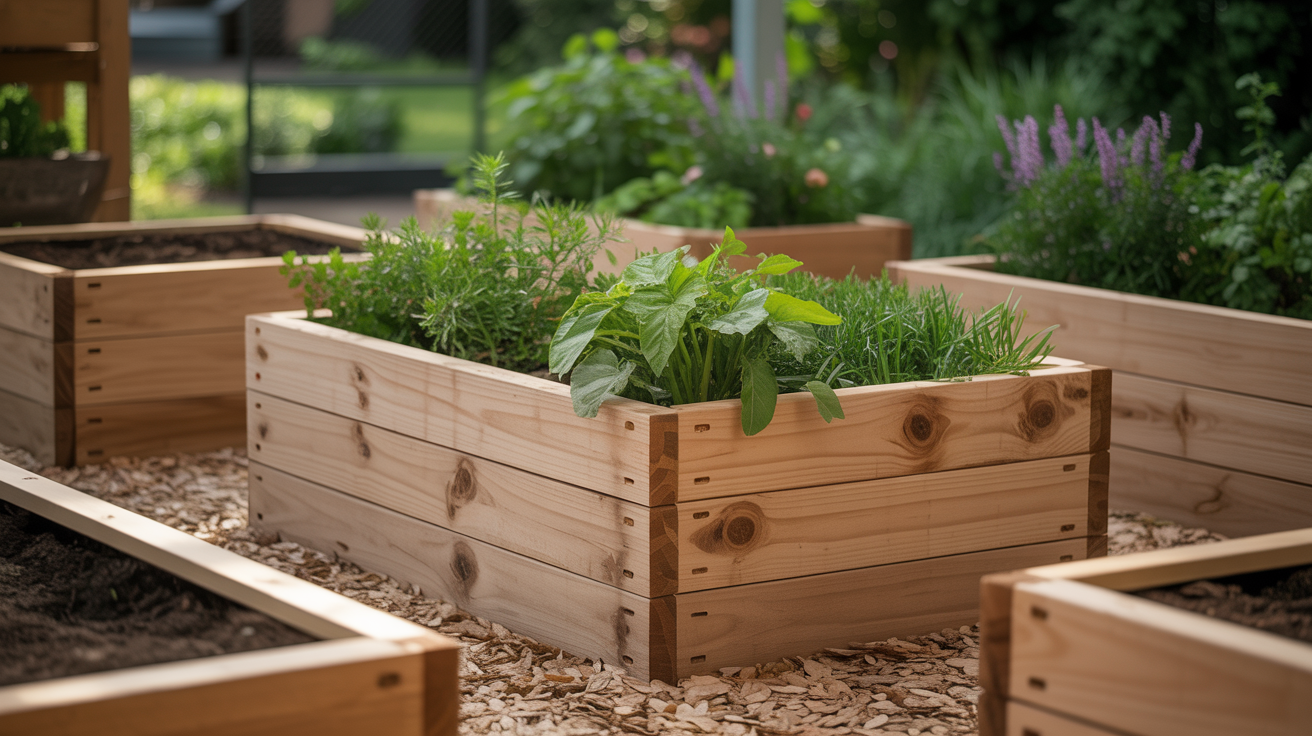
The material you build your raised bed from shapes how long it lasts, what it costs upfront, and how safe it is to grow food in. Here is a plain comparison of every common option so you can pick the one that fits your budget and timeline.
Wood: The Most Common Starting Point
Wood is the go-to choice for most first-time raised-bed builders. It is easy to cut, easy to screw together, and available at any home-improvement store. The main question is which species to use, because rot resistance varies a lot.
Cedar
Cedar is widely regarded as the best wood for raised garden beds if you can afford it. The heartwood contains natural oils that resist rot and insect damage, so an untreated cedar bed typically lasts 10 to 20 years in the ground depending on your climate and how well the wood drains.
The downside is cost. Rough cedar boards run noticeably higher than pine, and in some regions it can be hard to source in the dimensions you want. If you plan to keep a bed in the same spot for a decade or more, the per-year cost often works out to be reasonable.
Redwood
Redwood performs similarly to cedar: naturally rot-resistant heartwood, long lifespan, no treatment needed for food gardens. It is more common on the West Coast of the United States and can be expensive or hard to find elsewhere. If your local lumber yard stocks it at a fair price, it is a good choice.
Douglas Fir and Pine
Untreated Douglas fir and standard pine are cheap and easy to find. The tradeoff is lifespan. Expect three to seven years before the wood softens and breaks down, particularly in wet climates where the boards stay damp. Pine in contact with moist soil will rot faster than the same boards kept dry.
For a first bed when you are not sure where you want it long-term, or when budget is tight, pine or fir makes a sensible starting point. Plan to replace the boards eventually and treat the investment accordingly.
What About Pressure-Treated Wood?
This question comes up constantly, and the answer has changed over time. Older pressure-treated lumber used chromated copper arsenate (CCA), which contained arsenic. That formulation was phased out of residential use in the United States around 2004.
Current pressure-treated wood sold at home improvement stores typically uses copper-based preservatives (often labeled ACQ or CA). Research on these newer formulations is mixed. Copper can leach into soil in small amounts, but most studies suggest the levels reaching plant tissue are low. Many gardeners use modern pressure-treated lumber in raised beds without concern; others prefer to avoid it entirely for edible crops.
If you want a clear conscience, stick with naturally rot-resistant species (cedar, redwood, black locust) or use a physical barrier such as heavy landscape fabric or a liner on the interior walls to separate the wood from your soil.
Metal Raised Beds
Galvanized steel and corten steel beds have grown popular in recent years. They look clean and modern, and they last a very long time.
Galvanized steel is coated with zinc to prevent rust. A properly galvanized bed can last 20 years or more. Zinc is a naturally occurring element found in soil and in many plant fertilizers, so the small amount that may leach from the coating is not considered a food-safety concern at normal gardening concentrations.
Corten steel (also called weathering steel) forms a stable rust patina on the surface that protects the underlying metal from further corrosion. It looks rustic and earthy once it develops its patina, and it is extremely durable. It costs more than galvanized and is less commonly stocked at general hardware stores.
The main practical issue with metal beds is heat. Metal conducts heat far better than wood or stone. On hot summer days, the walls of a metal bed can heat the soil near the edges significantly, which can stress plant roots close to the sides. If you garden in a hot climate, keep this in mind and water more consistently. In cooler climates, this warming effect can actually extend your growing season slightly in spring.
Metal beds are also typically sold in kit form with corrugated panels and a bolt-together frame, which makes them easy to assemble without any cutting.
Concrete Block, Stone, and Brick
Concrete cinder block, natural stone, and brick are essentially permanent once in place. They will not rot, warp, or corrode. For a gardener who wants a bed that stays put for decades and does not require any material replacement, masonry is worth the extra effort.
The drawbacks are weight and cost of materials. Blocks and stone are heavy to move, and building a well-constructed masonry bed takes more time than screwing together a wood frame. However, if you source fieldstone from your property or find inexpensive cinder block locally, the material cost can be very low.
One thing to check: standard concrete cinder block contains fly ash and other industrial byproducts. The research on leaching from cinder block is similar to the pressure-treated wood debate. Many gardeners use it without issue; if you are concerned, use solid concrete block or natural stone instead.
Composite Lumber and Recycled Plastic Lumber
Composite boards made from wood fiber and recycled plastic will not rot. They are dimensionally stable and do not warp as much as solid wood in wet conditions. Lifespan is long, typically 20-plus years.
The cost is higher than pine but sometimes similar to cedar, depending on the product. Composite boards are heavier than wood and cannot be cut quite as easily. Some gardeners prefer to avoid them because the plastic component is not biodegradable; others appreciate that no tree needs to be felled for the material.
Materials Comparison at a Glance
| Material | Approx. Cost (8 ft bed) | Lifespan | Food-Safe | Notes |
|---|---|---|---|---|
| Cedar | $$-$$$ | 10-20 years | Yes | Best all-around wood choice |
| Redwood | $$$ | 10-20 years | Yes | West Coast availability |
| Pine / Fir | $ | 3-7 years | Yes | Cheapest, shortest-lived |
| Modern pressure-treated | $-$$ | 10-20 years | Debated | Use liner if concerned |
| Galvanized steel | $$-$$$ | 20+ years | Yes | Heats up in hot climates |
| Corten steel | $$$ | 20+ years | Yes | Rustic patina, premium cost |
| Concrete block | $ (materials) | Permanent | Mostly yes | Heavy, labor-intensive |
| Natural stone | Variable | Permanent | Yes | Sourcing varies by region |
| Composite lumber | $$-$$$ | 20+ years | Generally yes | No rot, heavier than wood |
Which Material Should You Actually Choose?
If this is your first raised bed and you want to keep things simple: use cedar if you can afford it, or untreated pine if budget is tight and you accept it will need replacing in a few years. Either one is easy to build with and immediately food-safe.
If you want something that you will never have to replace: galvanized steel kits or concrete block are the most practical long-term options. Steel kits go together quickly; masonry takes more work but looks more permanent.
If budget is tight and you want to try raised-bed gardening before committing: pine or fir boards will serve for several seasons. Once you know where you want a permanent bed, you can upgrade later.
Once you have settled on a material, check out how to build a raised garden bed step by step for the full assembly process, and then what to fill a raised garden bed with to get your soil mix right. The depth of your bed also matters for different crops, so how deep a raised bed should be is worth reading before you finalize the dimensions.
Frequently Asked Questions
Is cedar really worth the extra cost over pine for a raised bed?
For most gardeners, yes. Cedar can last three to four times as long as pine in wet conditions. If you build a 4x8 bed, the difference in material cost might be $30 to $60, but the cedar bed may last 15 years while pine lasts five. Over time, cedar often costs less per year of use.
Can I use old railroad ties or pallets for a raised bed?
Railroad ties are heavily treated with creosote, which is a wood preservative not approved for use around food crops. Avoid them for vegetable beds. Pallets are a mixed bag: some are heat-treated (marked HT) and are generally safe, but others are chemically treated. If you cannot confirm the treatment method, it is safer to skip them.
Do metal raised beds leach harmful chemicals into the soil?
The zinc coating on galvanized steel can leach into soil in very small amounts. Zinc occurs naturally in soil and is a required micronutrient for plants, so this is not considered a significant health concern at normal gardening levels. If you are still concerned, a food-safe liner inside the bed provides an extra barrier.
How long does an untreated pine raised bed last?
In a moist climate with regular watering, expect three to five years before the boards soften noticeably. In drier climates or if the bed drains well, you might get seven years. Elevating the bottom boards slightly off the ground and using thick boards (2 inches rather than 1 inch) helps extend the life.
What is the cheapest way to build a raised bed that will last?
Concrete cinder block has low material cost if you can source it locally, and it will outlast any wood option. It takes more effort to stack and level, but there is no sawing or screwing. For wood, rough-cut hemlock or black locust (if available in your region) offer good rot resistance at a price closer to pine than cedar.