Growing Vegetables
How to Grow Green Beans: Bush and Pole Varieties
Learn how to grow green beans from seed to harvest, including the differences between bush and pole varieties, spacing, watering, and common problems.
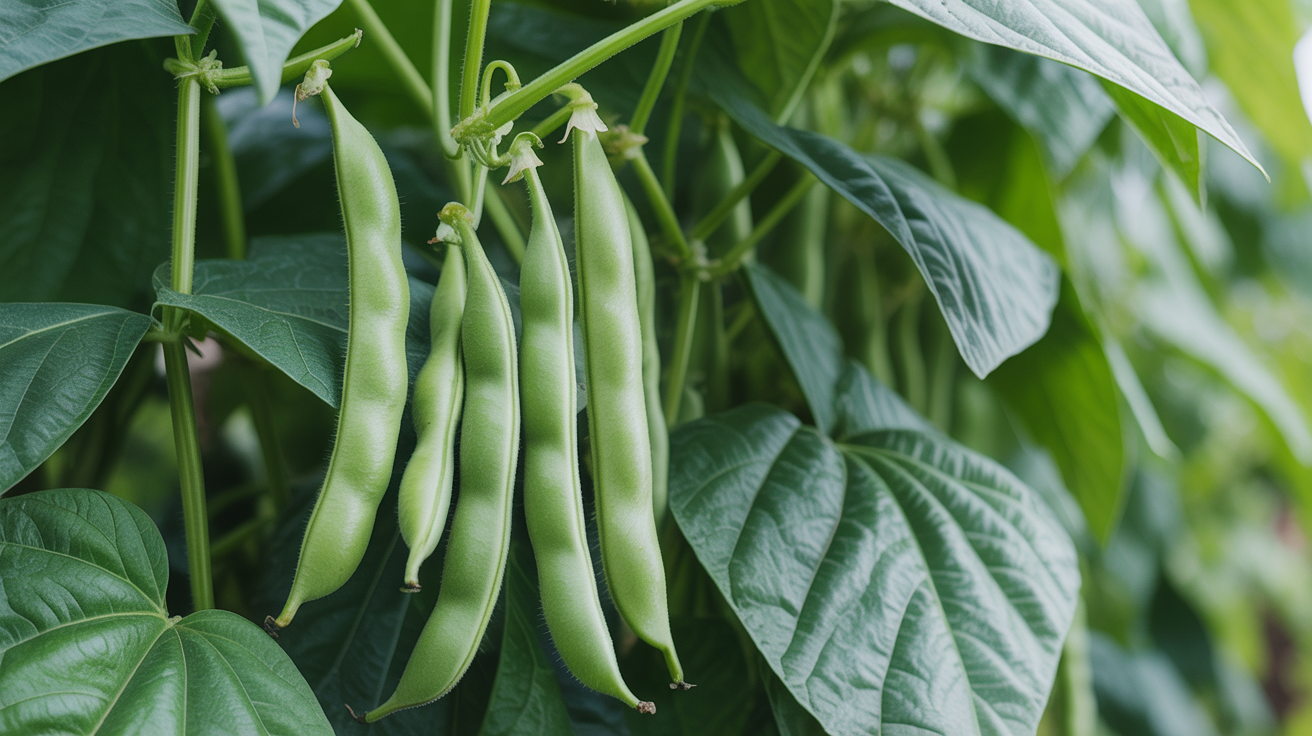
Green beans are one of the easiest vegetables a beginner can grow. Sow directly in the ground or a raised bed after the last frost, keep them watered, and most varieties are ready to pick in 50 to 65 days.
Bush Beans vs Pole Beans: Which Should You Grow?
Before you buy seeds, decide which type suits your space and how you want to harvest.
Bush Beans
Bush beans grow as compact, self-supporting plants, usually 18 to 24 inches tall. They produce most of their crop over a two to three week window, then slow down. That concentrated harvest is useful if you want to preserve a big batch at once. Because the plants are short, you need no stakes or trellis.
Common bush varieties: Blue Lake 274, Provider, Contender, Jade.
Pole Beans
Pole beans climb. Plants can reach 6 to 10 feet tall and need a sturdy support. In return, they produce steadily for several weeks or even months, so you get a continuous supply rather than one big flush. They typically yield more total beans per square foot of bed space because they grow vertically.
Common pole varieties: Kentucky Wonder, Rattlesnake, Fortex, Blue Lake Pole.
Which to Choose
| Factor | Bush Beans | Pole Beans |
|---|---|---|
| Support needed | None | Yes (trellis, poles, or stakes) |
| Harvest window | 2-3 weeks, then done | 6-10 weeks continuous |
| Days to harvest | 50-60 | 60-70 |
| Space efficiency | Spreads wide | Grows tall |
| Good for preserving | Yes | Less so (pick every few days) |
| Good for small spaces | Only if wide | Better per sq ft vertically |
If you have a small raised bed and want a long harvest season, pole beans make more sense. If you have row space and want to freeze a big batch, bush beans are the practical pick.
When and Where to Plant Green Beans
Green beans are a warm-season crop. They need soil that has genuinely warmed up, not just air temperatures that feel mild. Cold, wet soil causes seeds to rot before they sprout.
Soil temperature: Wait until the soil reads at least 60°F (15°C) at 2 inches deep. 65 to 70°F is even better. A cheap soil thermometer takes the guesswork out.
Frost timing: Sow after your last expected frost date, with a buffer of one to two weeks if your springs are unpredictable. Green beans are frost-tender; a late frost will kill seedlings.
Sun: Beans need full sun, meaning six or more hours of direct light per day. Less than that and plants grow leggy, flower poorly, and produce fewer pods.
Soil: Beans prefer well-draining soil with a pH of 6.0 to 6.8. They fix some of their own nitrogen from the air through root bacteria, so they do not need a high-nitrogen soil. In heavy clay, mix in compost or grow them in a raised bed where drainage is easy to control. If you are building or filling a bed, the same principles that apply when growing tomatoes apply here: good drainage and loose, workable soil matter more than any single fertilizer.
Successive sowing: To extend your harvest beyond the short bush-bean window, sow a second batch of bush beans two to three weeks after the first. Stop sowing about 10 to 12 weeks before your first expected fall frost, because beans need warm weather to mature.
How to Sow Green Beans from Seed
Green beans do not transplant well. Sow them directly in the bed where they will grow.
Planting depth: 1 to 1.5 inches deep. Shallower than 1 inch and birds or drying soil can kill the seeds; deeper and germination slows.
Spacing for bush beans: Sow seeds 2 to 4 inches apart in rows, or scatter-plant in a block with plants every 4 to 6 inches. Final spacing of 6 inches between plants gives good air circulation once they fill out.
Spacing for pole beans: Plant 4 to 6 inches apart along the base of your support structure. For a teepee of poles, cluster 3 to 4 seeds per pole.
Germination time: At warm soil temperatures (65 to 75°F), expect sprouts in 8 to 12 days. At cooler soil, germination is slower and uneven.
Do not pre-soak: Unlike some seeds, beans do not benefit from soaking overnight. Their thin seed coat can split and the embryo can rot. Plant them dry.
Inoculant (optional): Bean roots work with soil bacteria called Rhizobia to fix nitrogen. If you have never grown legumes in that spot, dusting seeds with a legume inoculant before planting can help. Not required, but inexpensive and harmless.
Watering and Feeding Green Beans
Watering: Beans need steady, consistent moisture, especially during germination and when pods are forming. Aim for about 1 inch of water per week from rain or irrigation. Water at the base of plants rather than overhead to keep foliage dry and reduce disease risk.
Stick a finger 2 inches into the soil; if it feels dry at that depth, water. Beans in raised beds dry out faster than in-ground plantings, so check more often in hot or windy weather. Uneven watering (wet, then bone-dry, then wet again) makes pods stringy. Water at the base of plants and avoid wetting foliage late in the day.
Feeding: Because beans fix some of their own nitrogen, they need less feeding than heavy feeders like tomatoes or peppers. A balanced organic fertilizer or compost worked into the bed before planting is usually enough. If you over-fertilize with nitrogen, plants will grow lush foliage but produce fewer pods.
If leaves turn yellow between the veins (while the veins stay green), that can indicate an iron or magnesium deficiency, often tied to soil pH being too low or too high. A soil test will tell you which way to adjust.
Setting Up Support for Pole Beans
Put your support in place before or right after sowing. If you wait until plants are growing, you risk disturbing roots.
Simple options:
- Bamboo teepee: Lash three to four 7-foot bamboo canes together at the top, splay the legs 12 to 18 inches apart, and plant seeds around each leg.
- Trellis netting: Stretch a net between two posts. Plant a row of seeds along the base on the sunny side.
- Wooden poles or fence: Any sturdy vertical structure works. Bean tendrils grip twine, mesh, or thin poles easily.
Pole beans find their own way up once they hit the support. You may need to nudge the first few vines toward the structure, but after that they climb on their own.
Common Pests and Problems
Mexican bean beetle: Small, copper-colored, spotted beetle. The larvae scrape leaf tissue from the underside, leaving a lacy, yellowish pattern. Hand-pick adults and larvae, or use row cover early in the season.
Aphids: Clusters of tiny soft insects on stems and undersides of leaves. A hard spray of water knocks them off. Beneficial insects like ladybugs and lacewings eat them.
Spider mites: Tiny, almost invisible mites that cause stippled, dusty-looking leaves. They thrive in hot, dry conditions. Keep plants well-watered and use an insecticidal soap spray if the infestation is heavy.
Bean mosaic virus: Distorted, mottled leaves spread by aphids. No cure; pull affected plants and control aphid populations.
Powdery mildew: White powdery coating on leaves, usually late in the season. Improve air circulation and avoid wetting foliage.
Root rot: Plants wilt despite adequate water, caused by soil that stays soggy. Improve drainage and wait for warm soil before sowing.
Rotate beans to a new spot each year to reduce soil-borne disease buildup.
Harvesting Green Beans
This is where many first-time growers wait too long. Green beans are best when pods are firm, snap cleanly, and the seeds inside are still small. Once you can see the bean seeds bulging through the pod, the beans are past their peak and the plant starts to slow down.
Harvest indicators:
- Pod snaps cleanly rather than bending
- Pod surface is smooth, not lumpy with visible seeds
- Size is right for the variety (usually 4 to 6 inches for standard varieties)
Pick every two to three days once pods reach size. Leaving mature pods on the plant signals it to stop producing. Regular picking is what keeps bush beans going through their harvest window and keeps pole beans producing for weeks.
Freshly picked beans need no washing until right before eating. Store unwashed beans in a bag in the refrigerator for up to a week.
Frequently Asked Questions
Can I grow green beans in containers or raised beds? Yes. Use a container at least 12 inches deep and wide. Bush beans suit containers well; pole beans need a deep, stable pot with a firm trellis. A raised bed is ideal for drainage control. If you want to grow lettuce nearby in the same bed, the guide to growing lettuce and salad greens at home covers spacing that lets both crops share space without crowding.
Why are my bean plants flowering but not forming pods? Heat is the most common cause. Beans drop flowers when temperatures stay above 90°F (32°C) consistently. This is temporary; pod set usually resumes once temperatures drop. Beans are largely self-pollinating, so lack of pollinators is rarely the issue.
My seeds are not germinating. What went wrong? Check soil temperature first. Soil below 60°F stalls germination badly. Seeds may also rot in overly wet soil or in cold conditions. If soil is warm and well-draining and you still see nothing after two weeks, try a fresh packet of seeds (old seeds lose viability) and resow a bit shallower.
Do I need to soak bean seeds before planting? No. Pre-soaking can cause the seed coat to split and the embryo to rot, especially if the soil is already moist. Plant seeds dry.
How do I know when pole beans are done for the season? When new flowers stop forming and production slows sharply, the plant is winding down. This usually happens as days shorten in late summer or overnight temperatures drop below 50°F (10°C). Pull the plants, compost the vines, and use that bed space for a cold-tolerant fall crop.