Growing Vegetables
How to Grow Peppers From Seed to Harvest
Learn how to grow peppers from seed to harvest with this beginner's guide covering germination, transplanting, watering, and picking at the right time.
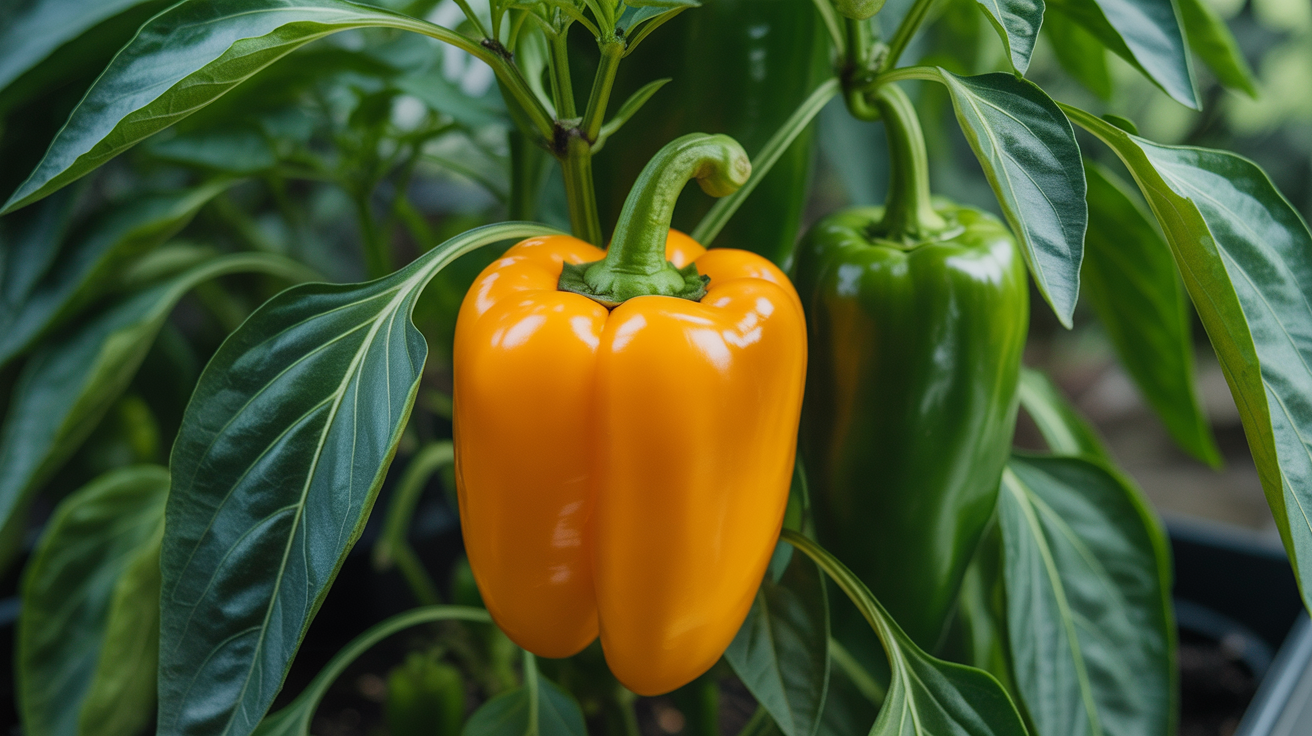
Peppers are one of those crops that reward patience. They're slow to start, picky about warmth, and need a long growing season, but once they get going, a single plant can produce dozens of fruits over months. This guide walks you through the whole process, from cracking open a seed packet to pulling ripe peppers off the vine.
Key Numbers Before You Start
Peppers have specific requirements that differ from most other vegetables. Here's a quick-reference table to keep handy:
| Factor | Target |
|---|---|
| Soil temperature for germination | 80–85°F (27–29°C) |
| Weeks to start indoors before last frost | 8–10 weeks |
| Days to transplant outdoors | After last frost + soil is 65°F+ |
| Spacing (in-ground) | 18–24 inches apart |
| Spacing (containers) | 1 plant per 5-gallon pot |
| Days to maturity (green bell peppers) | 60–75 days from transplant |
| Days to maturity (ripe/colored peppers) | 80–100 days from transplant |
| Full sun requirement | 6–8 hours minimum |
One thing that surprises many beginners: the difference between a green pepper and a red (or yellow, or orange) pepper is just time. Green peppers are unripe fruit. If you leave them on the plant, they slowly turn color and develop more sweetness. Both are edible; the ripe ones just take longer.
Starting Seeds Indoors
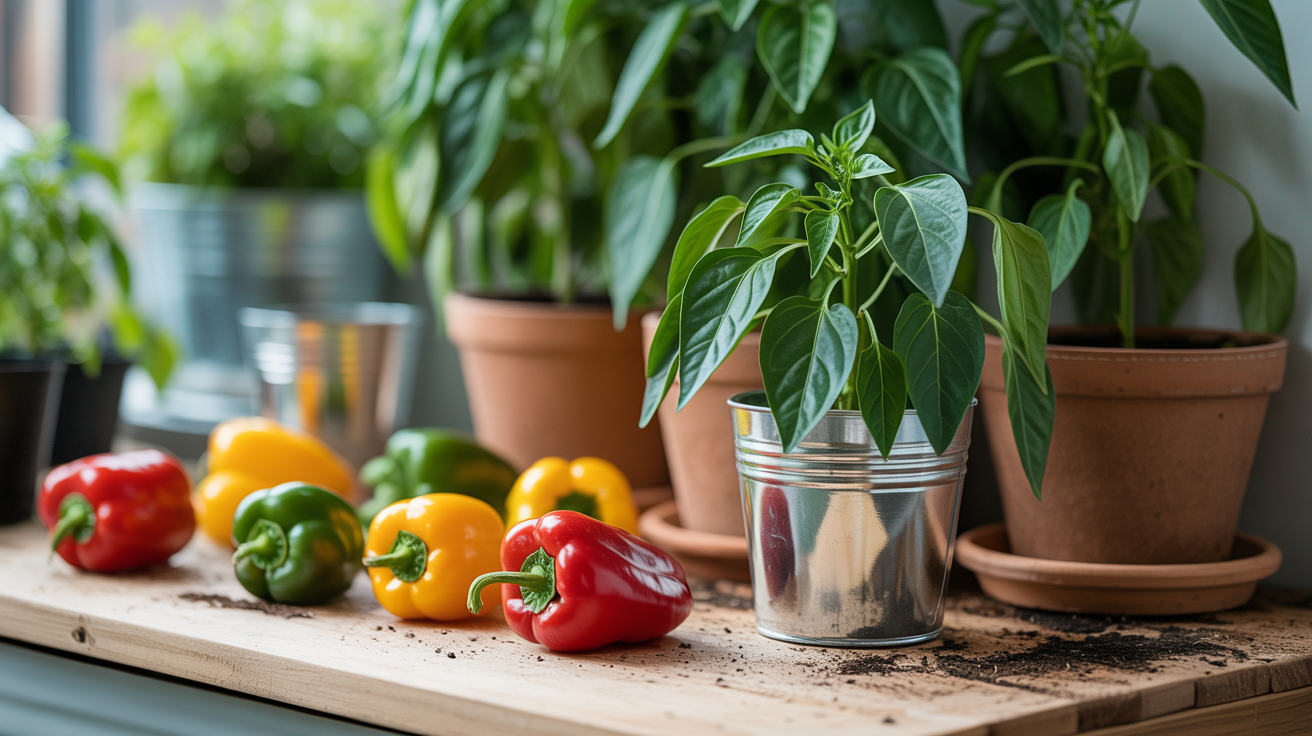
Because peppers need such a long season, you almost certainly need to start them indoors. Direct-sowing in the garden simply doesn't give them enough time to mature before frost arrives in fall.
When to Start
Count back 8 to 10 weeks from your average last frost date. If your last frost is May 1, start seeds in late February or early March. Starting too early gives you leggy seedlings that outgrow their pots before the soil warms up enough to plant outside.
Soil and Containers
Use a sterile seed-starting mix (not regular potting soil, which can be too heavy and may carry diseases). Fill small cells or 2-inch pots to about a half-inch from the top, then press one or two seeds about a quarter-inch deep into each cell. Cover lightly and water gently.
The Warmth Problem
Germination temperature is where a lot of beginners get stuck. Pepper seeds need soil that stays consistently around 80°F to sprout reliably. A sunny windowsill usually tops out at 65–70°F, which means seeds either fail to sprout or take three weeks instead of one.
A seedling heat mat placed under the trays fixes this immediately. It costs around $25 and is probably the single most useful purchase for starting peppers (or tomatoes, see the companion guide on how to grow tomatoes for more on this). At 80–85°F, most pepper seeds sprout in 7–14 days. At 70°F, expect 3–4 weeks or sporadic germination.
Once seeds sprout, remove the heat mat (or at least drop the temperature to around 70°F). Seedlings don't need the extreme heat, just warmth.
Light After Germination
Pepper seedlings need a lot of light. A bright south-facing window can work, but a grow light placed 2–3 inches above the seedlings for 14–16 hours a day produces stockier, stronger plants. Leggy seedlings (long, thin stems reaching for light) are weaker at transplant time.
Transplanting to the Garden
Hardening Off
Before peppers go outside permanently, spend a week gradually exposing them to outdoor conditions. Start with an hour of shade on a calm day, then increase outdoor time each day over 7–10 days. Skip this step and you'll likely see leaves scorch, wilt, or drop within hours of hitting full sun and wind.
Soil and Timing
Peppers hate cold roots. Wait until nighttime temperatures are consistently above 55°F and soil temperature is at least 65°F. A soil thermometer costs a few dollars and removes the guesswork. Planting into cold soil stalls growth even if the air temperature is warm.
Amend your planting bed with a couple of inches of compost worked in before planting. Peppers aren't heavy feeders, but they do appreciate good drainage and organic matter.
Set transplants 18–24 inches apart in rows 24–30 inches apart. Unlike tomatoes, peppers should be planted at the same depth they grew in the pot, don't bury the stem.
Watering
Consistent moisture matters more than total volume. Peppers that swing between too wet and bone-dry drop flowers, which means fewer fruits. Aim to keep the top few inches of soil moist but not waterlogged. Mulching around the base (straw, wood chips, or shredded leaves) keeps moisture in and soil temperature stable.
A deep watering two or three times a week is usually better than a light sprinkle every day. Deep watering encourages roots to grow down; shallow daily watering keeps roots near the surface where they're vulnerable to heat and dry spells.
Growing Peppers in Pots
Growing peppers in pots works well, arguably better than in-ground gardening in some situations, because you can move containers to catch more sun or protect them from a late cold snap.
Container Size
Use at least a 5-gallon pot per plant. Smaller containers dry out too quickly and restrict root development. Fabric grow bags in the 5–7 gallon range are a popular choice because they air-prune roots and prevent overwatering.
Soil Mix
Fill containers with a good-quality potting mix, not garden soil (which compacts in pots and drains poorly). Adding a handful of perlite improves drainage further.
Watering Containers
Pots dry out faster than garden beds, especially in summer heat. Check soil moisture daily during heat waves, you may need to water every day. A pot that dries out completely will cause flower drop and fruit that doesn't size up properly.
Container plants also need regular feeding since nutrients wash out with each watering. A balanced liquid fertilizer every two weeks during the growing season keeps plants productive. Once fruits set, switch to a fertilizer lower in nitrogen and higher in phosphorus and potassium to encourage fruiting over leafy growth.
If you're also growing lettuce in containers on a patio or balcony, check out the guide on how to grow lettuce and salad greens at home for tips on managing multiple containers.
Bell Pepper Plant Care Through the Season
Feeding
Peppers don't need heavy fertilizing, but they do benefit from a balanced starter fertilizer at transplant time and then a switch to a bloom-booster formula once flowers appear. Over-feeding nitrogen produces lush green plants with few fruits.
Supporting Plants
Most bell pepper varieties stay upright on their own, but a single bamboo stake per plant prevents branches from snapping under the weight of a full fruit load. Hot pepper varieties (especially tall ones like cayennes) may also need staking.
Pruning
Light pruning isn't required but can improve airflow and fruit set. Pinching off the first few flower buds that appear in early summer encourages the plant to put more energy into growing before it sets fruit, this often results in a bigger harvest later. It feels counterintuitive, but most experienced growers do it.
Common Problems
Blossom drop (flowers falling off without setting fruit) usually signals temperature stress, inconsistent watering, or low humidity. Peppers drop flowers when nighttime temps fall below 55°F or rise above 75°F, or during heat waves over 90°F during the day.
Sunscald shows up as white or tan papery patches on fruit that's exposed to intense direct sun. It's more common on plants that lose leaves to disease or pests. Keep plants healthy and leaf cover intact.
Aphids cluster on new growth and undersides of leaves. A hard spray of water knocks them off; insecticidal soap handles heavier infestations.
Harvesting Peppers
You can harvest bell peppers at the green stage (fully formed but unripe) starting around 60–75 days after transplanting. Green peppers taste mildly bitter and grassy. Left on the plant, they turn red, yellow, or orange (depending on variety) over another 2–4 weeks, becoming sweeter and more nutritious as they ripen.
Use scissors or pruners rather than twisting fruits off by hand. Yanking can break branches or uproot smaller plants.
The more you harvest, the more the plant produces. Leaving mature fruits on the plant too long signals the plant to slow down. For a continuous harvest, pick regularly even if you don't need the peppers immediately.
Peppers keep in the refrigerator for 1–2 weeks. If you end up with more than you can use, they freeze well (slice, lay flat on a baking sheet to freeze, then transfer to a bag) and retain good flavor for cooking.
For gardeners who enjoy growing multiple crops and want an easy summer companion for peppers, the guide on how to grow zucchini and summer squash covers another warm-season staple that does well in the same conditions.
Frequently Asked Questions
How long do peppers take to grow from seed?
From seed to first harvest typically takes 100–130 days total, which is why starting indoors 8–10 weeks before the last frost is so important. The bulk of that time is the season in the garden; seedling stage adds 8–10 weeks on the front end.
Can I grow peppers from store-bought pepper seeds?
Scraping seeds from a grocery-store pepper works, but results are unreliable. Store peppers are often harvested before fully ripe (especially green ones), so the seeds may not be mature. Hybrid varieties also won't grow true to type. Buying a seed packet from a reputable company is more dependable.
Why are my pepper flowers falling off?
Blossom drop is almost always a temperature issue. Peppers stop setting fruit when nighttime temps drop below 55°F or when daytime heat stays above 90°F. Let temperatures stabilize and flowering usually resumes.
Do peppers need full sun?
Yes. Six to eight hours of direct sun is the minimum for decent fruit production. Less than that and plants grow fine but produce very few peppers. South-facing spots or open areas away from shade are ideal.
What's the difference between hot and sweet peppers in terms of care?
Almost none. Hot peppers and sweet peppers (including bells) grow the same way and need the same conditions. Hot varieties often tolerate heat stress slightly better and can be more productive in containers. Germination and transplanting requirements are identical.