Growing Vegetables
How to Grow Tomatoes: A Complete Beginner's Guide
Learn how to grow tomatoes from seed to harvest. Covers varieties, planting, watering, feeding, support, and growing tomatoes in pots.
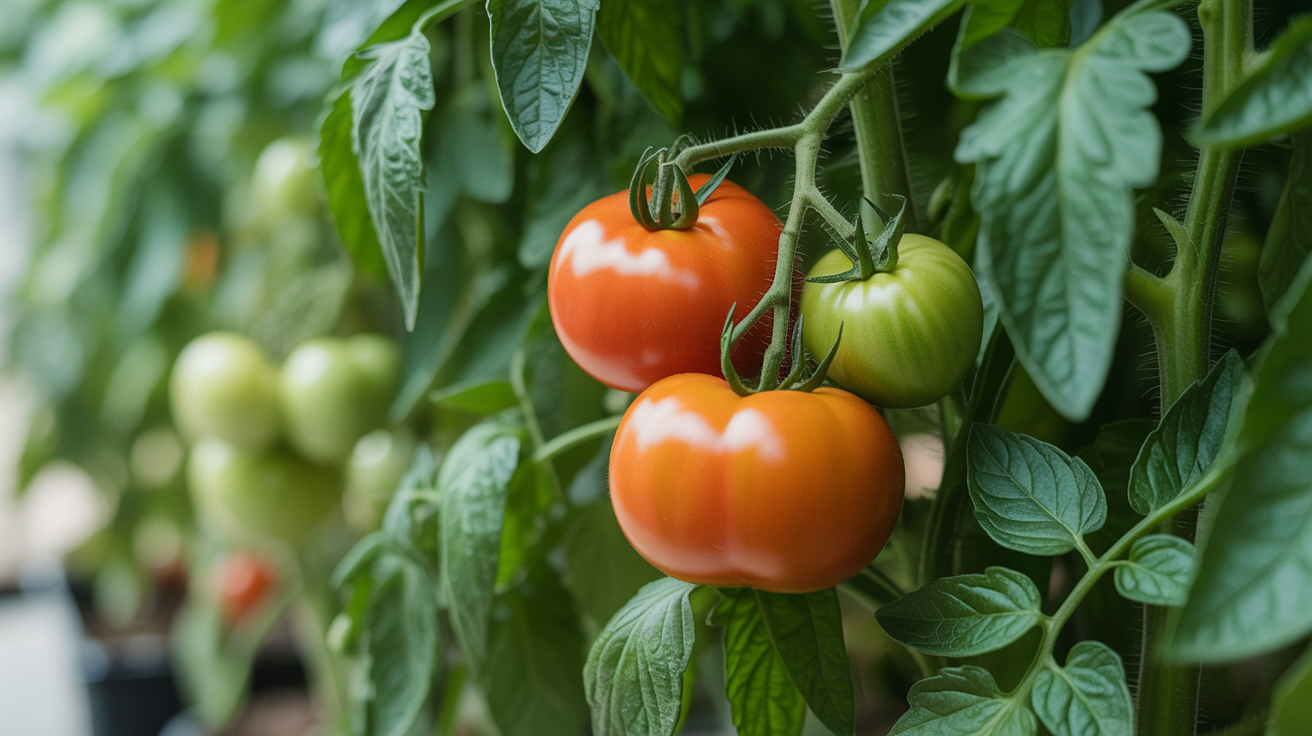
Tomatoes are the most popular vegetable in the home garden, and for good reason: a sun-warmed tomato picked straight from the vine tastes nothing like what you find at the grocery store. Growing them is not complicated, but a few key details, timing, spacing, consistent water, and support, make the difference between a struggling plant and one that buries you in fruit by late summer.
Choosing the Right Tomato Variety
The first decision is also the most consequential. All tomato varieties fall into two growth habits: determinate and indeterminate.
Determinate (also called "bush") tomatoes grow to a fixed height, set their fruit over a concentrated period of a few weeks, and then stop. They need minimal staking and are ideal for canning because everything ripens at once. Good examples: Roma, Rutgers, Celebrity.
Indeterminate tomatoes keep growing and producing all season long until frost kills them. They can reach 6–8 feet and need sturdy support. The payoff is a steady supply of fruit from midsummer through fall. Good examples: Sungold (cherry), Brandywine (heirloom), Early Girl.
For beginners, a small-fruited indeterminate like Sungold or Black Cherry is hard to beat. Cherry tomatoes are more forgiving of inconsistent watering and ripen faster, usually 55–65 days from transplant.
| Type | Max Height | Support Needed | Harvest Window | Best For |
|---|---|---|---|---|
| Determinate | 3–4 ft | Cage or short stake | 2–3 weeks | Canning, small spaces |
| Indeterminate | 6–8 ft | Tall stake or cage | All season | Fresh eating, slicing |
| Dwarf/patio | 2–3 ft | Small cage or none | 2–4 weeks | Containers |
Timing: When to Plant Tomatoes
Tomatoes are a warm-season crop. They die in frost and sulk in cold soil. Do not rush them into the ground.
The rule: plant tomatoes outdoors after your last expected frost date, when nighttime temperatures are consistently above 50°F (10°C). Soil temperature should be at least 60°F, 65°F is better. Cold soil stunts root development and can set a plant back weeks.
If you're starting from seed indoors, count back 6–8 weeks from your last frost date. Sow seeds in small cells or pots, keep them at 70–80°F until germination (7–14 days), and provide strong light immediately. Leggy seedlings that stretched toward a dim window are weaker; supplement with a grow light if needed.
Harden off seedlings before transplanting: set them outside in a sheltered spot for an hour or two per day, gradually increasing exposure over 7–10 days. This prevents transplant shock.
Sun, Spacing, and Soil
Sun: Tomatoes need full sun, a minimum of 6 hours of direct sunlight per day, but 8 hours is better. Less than 6 hours and you'll get healthy foliage with disappointing fruit set.
Spacing: Crowd tomatoes and you invite disease. Air circulation matters.
- Determinate varieties: 24–30 inches apart, rows 3 feet apart
- Indeterminate varieties: 36–48 inches apart, rows 4 feet apart
- Patio/dwarf varieties in containers: one plant per 5-gallon pot (minimum)
Soil: Tomatoes prefer well-draining soil with a pH of 6.0–6.8. Work in 2–3 inches of compost before planting. Plant transplants deep, bury the stem up to the lowest set of leaves. Tomatoes form roots along any buried stem, giving the plant a stronger root system.
Watering Tomatoes Correctly
Inconsistent watering is the most common mistake beginners make, and it leads directly to two frustrating problems: blossom-end rot and cracked fruit.
Blossom-end rot (a black, sunken patch on the bottom of the fruit) is not a disease, it's a calcium deficiency caused by irregular moisture. When the soil swings from very dry to very wet, the plant can't absorb calcium efficiently, and developing fruit suffers. The fix is steady, even moisture, not a calcium spray.
How to water:
- Water deeply and infrequently rather than a little every day. Deep watering encourages roots to grow down where moisture is more stable.
- Aim for 1–2 inches of water per week from rain or irrigation.
- Water at the base of the plant, not overhead. Wet foliage promotes fungal disease.
- Mulch around plants with 2–3 inches of straw or shredded leaves to retain moisture and even out soil temperature.
Stick your finger 2 inches into the soil. If it's dry, water. If it's still moist, wait. A simple soil moisture meter takes the guesswork out entirely.
Feeding Your Tomato Plants
Tomatoes are heavy feeders, but too much nitrogen early on produces lush green plants with little fruit. Match the fertilizer to the stage of growth.
Before planting: Work a balanced granular fertilizer (10-10-10) or compost into the soil.
Early growth (transplant through first flowers): A balanced fertilizer or one slightly lower in nitrogen. Every 2–3 weeks.
Once flowering starts: Switch to a fertilizer lower in nitrogen and higher in phosphorus and potassium (look for something like 5-10-10). This pushes fruit development instead of foliage.
Avoid over-fertilizing. Dark green, extremely lush plants with delayed flowering are usually getting too much nitrogen.
Staking and Support
Indeterminate tomatoes absolutely need support. Unsupported plants sprawl, the fruit touches the soil (inviting rot and pests), and the vines become an unmanageable tangle.
Options:
- Tomato cages: Convenient and cheap, but most store-bought wire cages are too flimsy and too short for indeterminate varieties. Heavier-gauge, 5-foot cages work much better.
- Wooden or metal stakes: Drive a 6-foot stake 12 inches into the ground at planting. Tie the main stem loosely with soft twine or fabric strips as the plant grows. This method pairs well with a pruning strategy.
- Florida weave: A row-staking method where twine is woven back and forth between posts to support multiple plants. Efficient for anyone growing more than a handful.
Install support at planting time, not after the plant has grown. Waiting until a 4-foot plant needs help usually means damaging roots and breaking stems.
Suckering and Pruning
A tomato "sucker" is the new shoot that grows from the junction between the main stem and a side branch (the "crotch" or axil). Left alone, suckers become full branches, and a single plant can turn into a sprawling bush.
Whether to remove suckers depends on your goals:
- Indeterminate varieties: Removing suckers below the first flower cluster keeps the plant to one or two main stems, makes it easier to manage on a stake, and can improve air circulation. It's optional, not mandatory.
- Determinate varieties: Do not prune suckers. Determinate plants set their fruit on the terminal ends of branches; removing suckers reduces yield.
To remove a sucker, snap it off with your fingers when it's small (under 2 inches). If it's larger, cut it with clean pruners to avoid tearing the stem.
How to Grow Tomatoes in Pots
Growing tomatoes in containers is entirely practical, you just need the right setup. For anyone without garden beds, or wanting to grow on a patio or balcony, this approach works well. See also our guide on how to grow peppers from seed to harvest, as peppers follow similar container-growing principles.
Container size matters most. A tomato plant in too-small a pot will be perpetually root-bound and stressed. Minimum sizes:
- Cherry tomatoes: 5 gallons (12–14 inch diameter)
- Medium slicers (Celebrity, Bush Early Girl): 7–10 gallons
- Large indeterminate varieties: 15–20 gallons
Potting mix: Use a quality potting mix, not garden soil (which compacts in containers). A mix with perlite for drainage works well. Add slow-release fertilizer granules at planting.
Watering in containers: Pots dry out faster than ground soil, sometimes daily in summer heat. Check the soil every morning. Consistent moisture is even more important in containers to prevent blossom-end rot.
Placement: Full sun, at least 6–8 hours. A south- or west-facing patio is ideal.
Dark-colored containers heat up fast in direct sun and can stress roots; light-colored or fabric pots handle summer heat better.
Common Problems and How to Avoid Them
Yellowing lower leaves: Normal to some degree as the plant puts energy into new growth. If it moves up the plant rapidly, check for early blight (brown rings on yellow leaves) and remove affected leaves promptly.
Flowers dropping: Happens when temperatures are too high (above 95°F daytime or above 75°F at night) or too low (below 55°F). Nothing to do but wait for temperatures to moderate.
Cracked fruit: Usually caused by rapid water uptake after a dry period. Even watering and mulching reduces this significantly.
Hornworms: Large green caterpillars that can defoliate a plant fast. Hand-pick them (they're harmless to handle) or apply Bt (Bacillus thuringiensis) if the infestation is heavy.
If you're expanding your vegetable garden beyond tomatoes, the guides on how to grow lettuce and salad greens at home and how to grow zucchini and summer squash are good next reads. Zucchini in particular is another heavy feeder that benefits from the same consistent-watering approach.
Frequently Asked Questions
How long does it take for tomatoes to grow?
From transplant, most tomato varieties take 60–80 days to first harvest. Early-season varieties (Early Girl, Siletz) clock in around 55–65 days. Large heirlooms like Brandywine can take 80–90 days. If you're starting from seed indoors, add another 6–8 weeks.
How often should I water tomato plants?
The goal is consistent soil moisture, not a fixed schedule. In warm weather, container tomatoes may need water daily; ground-planted tomatoes typically need water every 2–3 days. Check 2 inches down, if the soil is dry there, water deeply until it runs from the bottom of the pot or soaks into the ground.
Why does my tomato plant have flowers but no fruit?
Tomatoes are self-pollinating, but they need vibration to release pollen, outdoors this comes from wind and bees. If your plant is in a sheltered spot with no pollinators, gently shake the flowering stems by hand or use an electric toothbrush against the flower cluster to simulate pollination. Extreme temperatures (above 95°F or below 55°F at night) also cause flowers to drop before they can set fruit.
Can I grow tomatoes in partial shade?
Tomatoes grown in partial shade (3–5 hours of sun) will survive but produce poorly. Fruit set drops significantly with less than 6 hours of direct sun. If your only spot is partially shaded, stick to a smaller cherry tomato variety and accept a reduced harvest, they're more tolerant than large slicers.
What is the best fertilizer for tomatoes?
A balanced fertilizer (such as 10-10-10) at planting, then a phosphorus-heavier blend (5-10-10) once flowers appear. Avoid anything very high in nitrogen throughout the season, you'll get a beautiful plant that produces little fruit. Slow-release granular fertilizers applied every 4–6 weeks are simple and effective for beginners.