Growing Vegetables
How to Grow Potatoes in a Raised Bed or a Grow Bag at Home
Learn how to grow potatoes at home from seed potatoes, including chitting, hilling, watering, and knowing when to harvest new versus mature spuds.
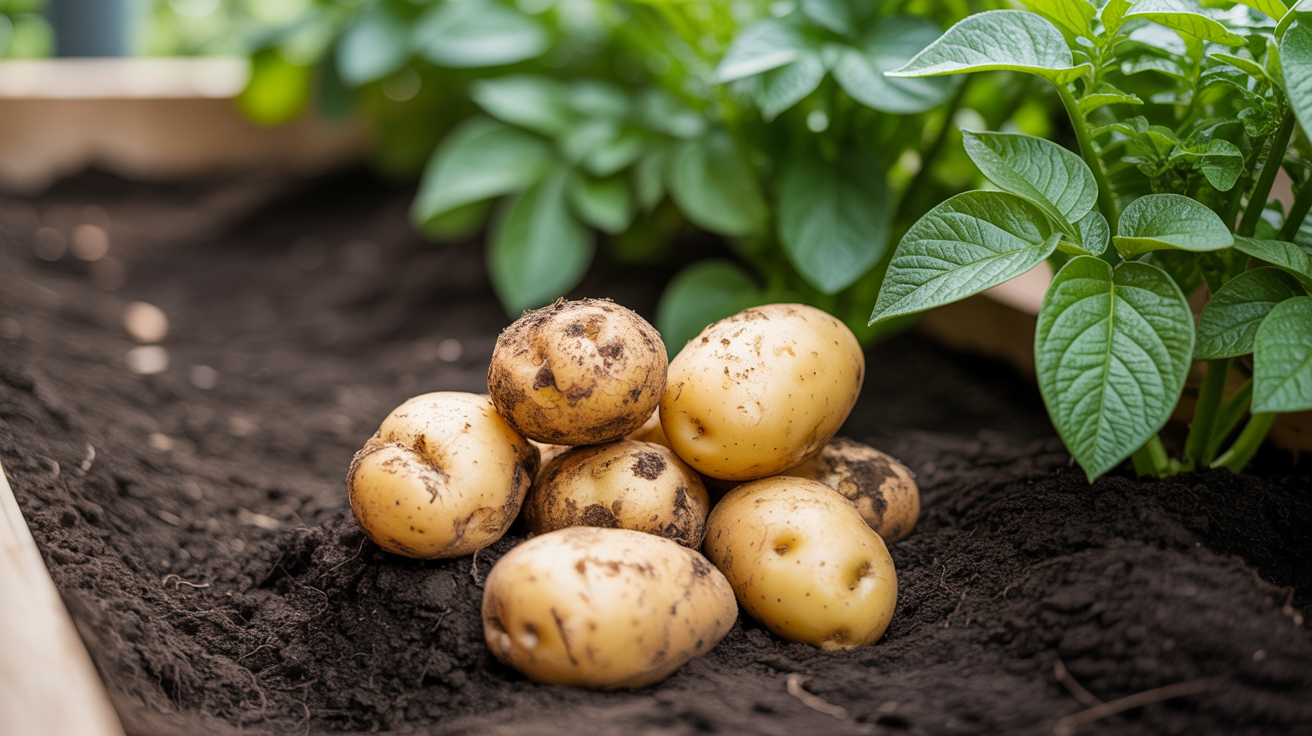
If you've ever grown a potato from one that sprouted in the pantry, you already know the plant itself isn't fussy. The real skill in learning how to grow potatoes at home is in the setup: the right seed stock, giving the tubers room to bulk up in the dark, and reading the plant's own signals for when to dig. None of it is complicated, but a few habits separate a handful of undersized potatoes from a bin full of them.
Why seed potatoes beat grocery store potatoes
Most supermarket potatoes are treated with a sprout inhibitor after harvest, which is why they sit on the shelf for weeks without going soft and eyed. That treatment works against you in the garden, since it can delay or prevent sprouting. Grocery potatoes also carry an unknown history: they may have picked up soil-borne diseases like blight or scab along the supply chain, and once those pathogens are in your bed's soil, they linger for years and affect the whole nightshade family, tomatoes and peppers included.
Certified seed potatoes solve both problems. They're grown for planting, inspected for disease, and sold untreated so they sprout reliably. You'll find them at garden centers and mail-order growers in late winter and early spring, sold whole or as larger tubers meant to be cut into pieces. Each piece needs at least one or two healthy "eyes," the small dents where a sprout emerges. Cut larger potatoes a day or two ahead and let the cut surfaces dry into a callus; a fresh, wet cut invites rot before the plant gets going.
Chitting seed potatoes before you plant
Chitting just means letting your seed potatoes sprout ahead of planting. Set them in a single layer in a shallow box or egg carton, eyes facing up, somewhere cool and bright; a windowsill out of direct hot sun works well. Full room temperature is too warm and pushes long, weak, pale sprouts, so you want short, sturdy, purplish-green ones, which usually takes two to four weeks depending on the light and temperature.
Chitting isn't mandatory; potatoes planted straight from the bag will still grow. What it buys you is an earlier, more even emergence once the seed pieces go into the ground, which matters most if your season is short. If your spring is long and mild, skip it without much penalty.
Planting depth and spacing in a raised bed
Plant seed potatoes about 3 to 4 inches deep and 12 inches apart, with rows spaced 24 to 30 inches apart if your bed is large enough for rows. In a smaller bed, plant on a grid instead, keeping that same 12-inch spacing in every direction. Crowd them tighter and you'll get more plants but smaller tubers per plant, since they're all competing for the same root space and nutrients.
The soil matters as much as the spacing. Potatoes want loose, well-draining soil so the tubers can expand without fighting compacted ground, and a bed filled with a good blend rather than dense native soil gives them exactly that. If you're building a new bed for this crop, what to fill a raised garden bed with is worth reading first, since a mix too heavy on compost and too light on coarser material can stay soggy right when the tubers need air. Bed depth counts too: potatoes are one crop where a shallow bed falls short, since you need room for both the planting depth and the hilling after. How deep should a raised garden bed be walks through choosing a height, and for potatoes lean toward the deeper end of that range.
Hilling: mounding soil as the plants grow
Hilling trips up a lot of first-time growers, mostly because it feels like you're burying a healthy plant. Here's the reasoning: potato tubers form along the buried stem, not on the roots the way most vegetables produce, and any tuber exposed to sunlight turns green and develops solanine, a compound that tastes bitter and isn't meant to be eaten in quantity. Hilling keeps the tubers covered and in the dark, which protects them and gives the plant more buried stem to produce tubers along.
Start hilling once plants reach about 6 to 8 inches tall. Pull loose soil, compost, or straw up around the base of the stem, covering it until only the top few inches of leaves stick out. Repeat every couple of weeks, building the mound higher each time, until the plant starts flowering, at which point its energy shifts toward filling out the tubers rather than growing taller. Straw works especially well for the later rounds since it's light, easy to pile on, and simple to pull back later when hunting for early potatoes.
Raised bed versus grow bag or container
An open raised bed and a grow bag both work well for potatoes. The right choice usually comes down to space and how much fuss you want at harvest time.
| Raised bed | Grow bag or large container | |
|---|---|---|
| Space needed | A dedicated section of the bed | Fits on a patio, deck, or balcony |
| Hilling | Add soil around stems as they grow | Roll the bag's sides up and fill in as the plant grows |
| Watering | Holds moisture longer | Dries out faster, needs more frequent checks |
| Harvest | Dig with a fork, some root disturbance | Dump the bag out, tubers are easy to find |
| Yield per plant | Generally higher, more root room | Slightly lower, but very workable for a few plants |
Grow bags have one real advantage: harvest is almost fun. Instead of forking through bed soil and risking a speared tuber, you tip the bag onto a tarp and pick potatoes out by hand. The tradeoff is that bags dry out faster than a raised bed's larger soil mass, so they need closer watering attention. On a balcony or patio with no bed space, a grow bag is the practical option regardless of yield.
Watering through tuber formation
Potatoes need the most consistent moisture from flowering through the weeks after, since that's when the tubers actively bulk up. Uneven watering here, a dry spell followed by a heavy soak, is a common cause of hollow heart and cracked tubers. Aim for even moisture rather than a strict schedule: check the soil a couple of inches down and water when it starts to dry, rather than waiting for the plant to wilt.
Ease off in the two to three weeks before a planned full harvest, once the foliage starts yellowing on its own; drier soil toughens the skins for storage and makes digging less muddy. Container and grow bag plantings need more frequent watering throughout than an in-ground bed, since less soil volume means less buffer against drying out.
When to harvest: new potatoes versus a full harvest
You can start harvesting small "new" potatoes as soon as the plant flowers, if it flowers at all (some varieties skip flowering and that's normal). Reach into the hilled soil at the edge of a plant, feel around for tubers about the size of a golf ball or bit larger, twist a few off, and leave the rest undisturbed to keep producing. New potatoes have thin, delicate skins that don't store well, so eat them within a few days.
The full harvest comes later, once the foliage yellows, dies back, and the plant looks finished. Wait another week or two past that point if you can; the extra time toughens the skins, which matters for storage. Choose a dry day, work a garden fork in well outside the plant's base to avoid stabbing tubers, and lift the whole root mass. Let the potatoes dry out of direct sun for a few hours and brush off loose soil, but don't wash them until you're ready to use them, since moisture invites rot. Cure them in a cool, dark, ventilated spot for a week or two before long-term storage, a rhythm not so different from curing onions or winter squash; how to cure and store onions, garlic, and winter squash covers that logic for storing several crops at once.
Frequently Asked Questions
Can I grow potatoes from the ones sprouting in my pantry?
You can, and plenty of gardeners do it with fine results, but there's a tradeoff. Grocery potatoes may carry soil-borne diseases and aren't inspected for garden planting, so certified seed potatoes are the safer bet, especially in a bed where you'll grow nightshades again in future years.
How many potatoes will one seed potato produce?
It varies by variety and conditions, but a healthy plant typically yields somewhere in the range of five to ten usable tubers of mixed sizes. Consistent moisture and proper hilling influence that number more than almost anything else.
Do I need to hill potatoes if I'm growing in a grow bag?
Yes. Instead of mounding soil around a fixed stem in open ground, roll the bag's sides down at planting time and fill in more soil as the plant grows, rolling the sides up as you go. The goal, keeping developing tubers out of the light, is identical.
Why are some of my potatoes green?
They've been exposed to light, usually because hilling wasn't thick enough or a tuber worked its way to the surface. Cut away and discard the green tissue and any bitter-tasting flesh rather than eating it; when in doubt, throw the whole tuber out.
When is the latest I can plant potatoes and still get a harvest?
Count backward from your first fall frost date. Most varieties need roughly 10 to 15 weeks from planting to a full harvest, though you can dig new potatoes earlier. If you're short on time, an early-maturing variety in a grow bag, which you can move to catch warmth and sun, gives the most flexibility.