Planting & Care
How to Harden Off Seedlings Before Transplanting
Learn how to harden off seedlings over 7-10 days so they survive the move outside without wilting, sunscald, or transplant shock.
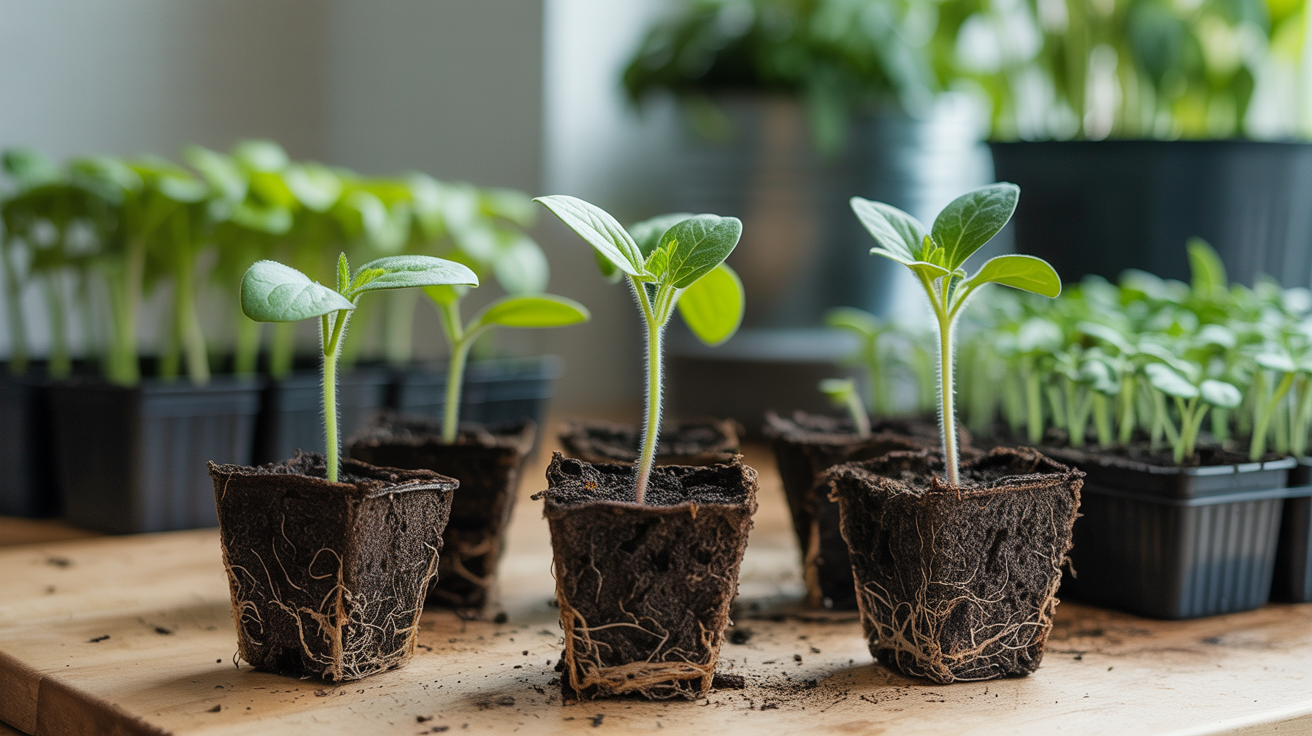
Hardening off means gradually exposing indoor-grown seedlings to outdoor conditions before you plant them in the ground. Skip this step and the seedlings you spent weeks nursing will wilt, sunscald, or stall, not because the weather is too harsh, but because the sudden change is. A seedling that has only ever felt grow-light warmth and still indoor air simply cannot handle direct sun and wind on the first day outside. The good news: a week or two of short outdoor sessions fixes that completely.
Why Hardening Off Matters
Indoor seedlings grow in steady, controlled conditions. Temperatures rarely swing. There is no wind to toughen stems. Light from a grow lamp is intense but spectrally different from full sun, and the UV load is much lower. Outdoors, a clear June afternoon can deliver ten times the light intensity the seedling has ever experienced.
The result, if you skip hardening off, is photoinhibition, the chloroplasts essentially get overwhelmed and the leaf tissue bleaches or burns. You may also see wilting from transpiration the roots can't keep up with, and slowed root growth as the plant redirects energy to stress responses rather than establishment.
Seven to ten days of incremental exposure lets the plant build thicker leaf cuticles, strengthen cell walls, and recalibrate its stomata. The transition from seed-starting tray to garden bed is one of the riskier moments in the growing season; hardening off is how you make it routine.
If you grew your seedlings from seed indoors, take a look at how to start seeds indoors: a step-by-step guide for context on what the plants have been through before this stage.
What You Need
No special equipment is required. You need:
- A sheltered outdoor spot, a porch, covered patio, or the north side of a building works well for the first few days because it blocks direct sun while still providing outdoor temperatures and air movement.
- A timer or phone reminder, it is easy to forget seedlings outside. A dead seedling on a hot afternoon sets you back weeks.
- Something to cover plants if a cold snap or hailstorm rolls in. A frost cloth, old bedsheet, or even a cardboard box works fine.
That's the whole setup. The process is about time management, not tools.
The 7-10 Day Hardening Off Schedule
The table below is a starting framework. Adjust it based on your weather: if temperatures drop below 50°F (10°C) or strong winds pick up, pull the plants in early or skip that day entirely.
| Day | Hours Outside | Conditions |
|---|---|---|
| 1 | 1–2 hours | Full shade, no direct sun, calm spot |
| 2 | 2–3 hours | Full shade or dappled light |
| 3 | 3–4 hours | Morning shade, brief filtered sun OK |
| 4 | 4–5 hours | Up to 1 hour of direct morning sun |
| 5 | 5–6 hours | 2 hours direct sun, some wind exposure |
| 6 | 6–7 hours | 3–4 hours direct sun, normal breeze |
| 7 | 7–8 hours | Full morning sun, afternoon shade fine |
| 8 | All day | Mostly full sun, bring in if overnight cold |
| 9–10 | All day + overnight | Leave out if overnight temps stay above transplant threshold |
What "full shade" means here
You want the plant out of direct sun rays but not in a dark closet. Under a deck, beside a fence on the north side, or beneath a tree canopy all work. The seedling still gets bright, diffuse outdoor light and experiences real outdoor temperatures and humidity, which is the point.
Morning sun vs. afternoon sun
Morning sun is gentler. East-facing spots are ideal for the middle days of hardening off. Avoid leaving tender seedlings in full west-facing afternoon sun until the final days of the schedule. Afternoon sun in midsummer is significantly more intense than morning sun and will scorch leaves that aren't ready for it.
Handling wind
A light breeze is actually good, it triggers thigmomorphogenesis, which is a fancy way of saying the stems physically thicken in response to movement. That thickening makes transplants more resilient. Strong gusts are another matter: they dry out root balls fast in small cell trays. If you see trays rocking or leaves tearing, move to a more sheltered spot.
Common Problems During Hardening Off
Wilting in the afternoon. This is usually water stress, not sun damage. Small cells dry out fast outdoors. Check the soil before you bring them in. Water if needed, and watch more closely the next day.
White or bleached patches on leaves. This is sunscald. It happens when you move too fast. Drop back two days on the schedule (less sun, more shade) and let the plant recover before progressing again. Affected leaves won't heal, but new growth will come in fine.
Seedlings left out overnight and they froze. Check the forecast every day during the hardening period, especially in spring. Most warm-season crops (tomatoes, peppers, squash) should not experience temperatures below 50°F; cool-season crops (kale, broccoli, lettuce) can handle light frost but not a hard freeze.
Forgetting them. It happens. Set a phone alarm for the time you plan to bring them in. Leaving tomato seedlings in direct afternoon sun on Day 2 is the most avoidable setback in the whole process.
Transplant Day Tips
By Day 9 or 10, your seedlings should be spending full days outside with no distress. That's your signal they're ready to go in the ground. A few things make transplant day easier:
Transplant in the evening or on a cloudy day. Even fully hardened seedlings benefit from a low-sun transplant. The plant can settle in without immediately fighting heat stress.
Water the cells thoroughly before you dig. A well-hydrated root ball holds together and separates from the cell more cleanly. Dry root balls crumble and you lose feeder roots.
Disturb the roots as little as possible. Ease the plug out rather than pulling by the stem. For crops sensitive to root disturbance (carrots, cucumbers), consider direct-sowing instead of transplanting altogether, see the comparison at seeds vs. seedlings: when to start from seed and when to buy plants.
Set the transplant at the right depth. Most vegetables go in at the same depth they were growing. Tomatoes are the major exception, you can bury them deeply (or sideways) and the buried stem will root, giving you a stronger plant.
Water in immediately. Use a gentle watering can or low-pressure hose to settle the soil around roots without washing them out. Follow up the next morning. Then check the soil every day for the first week, transplants need consistent moisture while roots establish.
For ongoing watering once plants are in the ground, how often should you water a vegetable garden covers the variables (soil type, temperature, plant size) that determine how frequently you need to water.
Frequently Asked Questions
How long does hardening off take?
Most seedlings are ready after 7 to 10 days. Cool-season crops like lettuce and broccoli often adapt faster, sometimes 5 to 7 days is enough. Warm-season crops like tomatoes and peppers benefit from the full 10 days, especially if you're heading into a stretch of hot, sunny weather.
Can I harden off seedlings in just a few days?
You can compress the schedule if you have to, but go slower on the sun exposure even if you're spending more hours outside. Starting in full shade and increasing sun incrementally matters more than the number of days on the calendar. Rushing sun exposure is what causes sunscald and setbacks.
Do I need to harden off store-bought transplants?
Yes, but usually less of one. Nursery transplants are grown in greenhouses, not under your grow lights, and many are already partially hardened. Still give them two to four days outside in progressively more sun before planting. They're closer to ready than seedlings you started yourself, but they still need the transition.
What if it rains during the hardening off period?
Light rain is fine, it's part of outdoor life, and seedlings need to get used to it. Bring plants in during heavy storms or prolonged cold rain. Skip the outdoor session on days with driving wind and rain rather than forcing the schedule.
What temperature is too cold for hardening off?
For warm-season crops (tomatoes, peppers, basil, squash), keep sessions indoors or skipped on days where temps stay below 50°F (10°C). Cool-season crops can handle down to about 35–40°F (2–4°C) without damage. Below freezing is off-limits for all seedlings unless they're cold-hardy overwintering varieties.