Planting & Care
Seeds vs. Seedlings: When to Start From Seed and When to Buy Plants
Starting seeds vs buying plants: a practical guide on cost, timing, and which crops to direct-sow versus transplant for beginner vegetable gardeners.
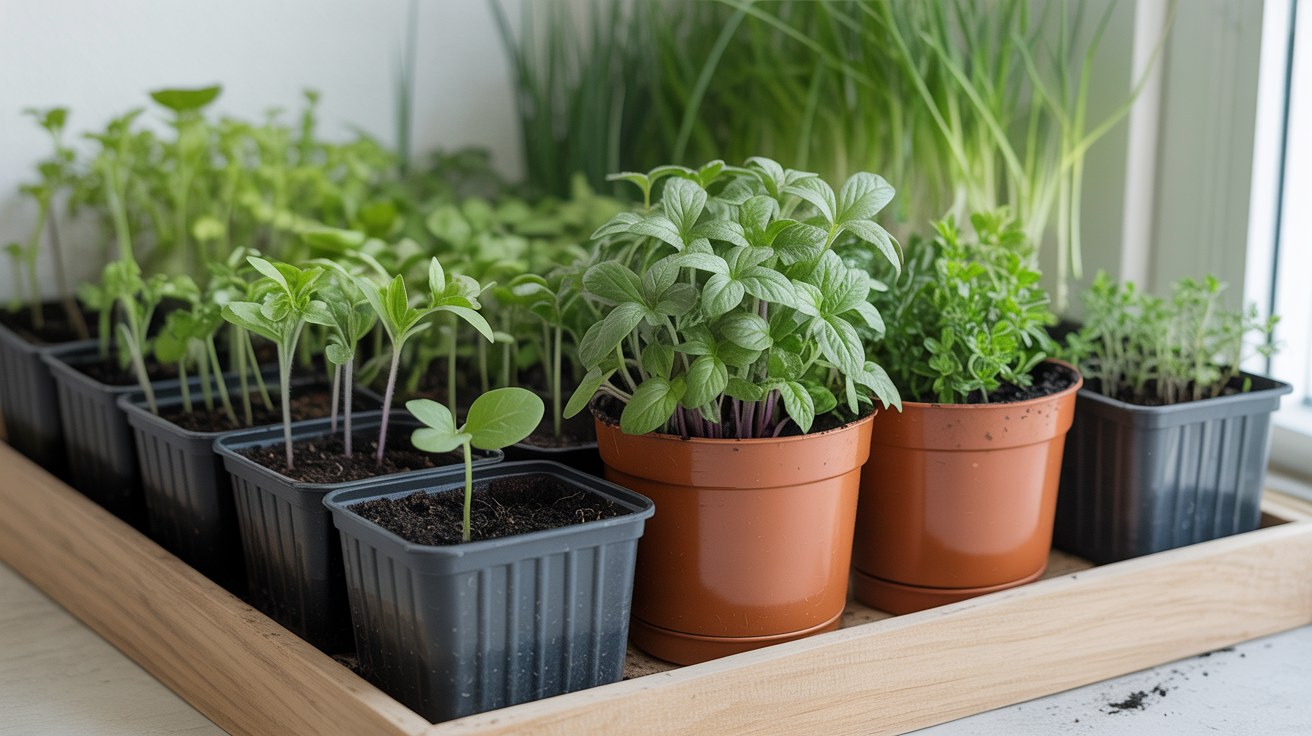
The choice between starting seeds vs buying plants comes down to three things: what you're growing, how much time you have, and how much money you want to spend. Some crops genuinely do better started from seed directly in the ground. Others are almost always worth buying as transplants, especially in your first season. Here's how to decide.
Why the Crop Matters More Than Anything Else
The biggest mistake beginners make is treating this as a personal preference question. It isn't, not entirely. Certain vegetables have roots that hate being disturbed. Others take so long to mature that without a head start indoors, you'd run out of growing season.
Crops that should be direct-sown (planted as seeds straight into your garden bed):
- Carrots, taproots fork or stunt if transplanted; always sow directly
- Radishes, mature in 25–30 days; transplanting adds zero benefit
- Beets, sensitive roots; direct sow 1 inch apart, thin to 3–4 inches
- Beans, fast germinators (5–8 days) that resent root disturbance; direct sow after last frost
- Peas, same logic as beans; also prefer cool soil, so timing is the whole strategy
- Corn, needs to be planted in blocks for pollination; direct sow in place
- Cucumbers, squash, zucchini, technically transplantable, but they establish so fast from seed that buying transplants rarely adds value
Crops that benefit from transplanting (start indoors or buy as seedlings):
- Tomatoes, need 6–10 weeks indoors before last frost; difficult to time from seed without a setup
- Peppers, slow germinators; need 8–12 weeks indoors and consistent warmth (75–85°F soil)
- Eggplant, similar to peppers; long indoor lead time makes buying transplants sensible
- Broccoli, cabbage, cauliflower, benefit from a 4–6 week head start; transplanting is standard practice
- Celery, notoriously slow (3 weeks to germinate, another 10–12 weeks to transplant size); buying is usually easier
The rule behind this: crops with taproots or those that germinate and mature quickly belong in the ground as seeds. Crops with long lead times or finicky germination requirements are better candidates for transplanting, either from your own indoor-started seedlings or purchased plants.
Seeds vs. Seedlings: Cost and Time Compared
Here's a straightforward comparison to help you decide what's worth the investment.
| Factor | Starting from Seed | Buying Seedlings |
|---|---|---|
| Cost per plant | $0.05–$0.30 | $1.50–$5.00 |
| Variety selection | Hundreds of options | 10–20 common varieties |
| Time investment | 6–12 weeks (for transplants) | 10 minutes at the garden center |
| Equipment needed | Lights, trays, seed-starting mix | None |
| Failure risk (beginner) | Moderate–High | Low |
| Best for | Tomatoes, peppers, herbs, flowers | Tomatoes, peppers, eggplant in year one |
A packet of 30 tomato seeds costs around $4–$5. That's roughly $0.15 per plant, assuming good germination. A single tomato transplant at a nursery runs $3–$5. If you grow six tomato plants, buying transplants costs $18–$30 versus $1–$2 in seeds, but seeds require trays, seed-starting mix, grow lights or a very sunny window, and weeks of attention.
For beginners growing a small plot, buying tomato and pepper transplants often makes more financial sense once you factor in equipment and losses. For everything else, beans, squash, cucumbers, root vegetables, seeds are almost always the right call because those crops don't get transplanted anyway.
When Starting Seeds Indoors Actually Pays Off
Starting seeds indoors is worth the effort in two situations: when you want varieties your local nursery doesn't carry, and when you're growing enough plants that the cost savings justify the setup.
A seed-starting setup costs roughly $30–$80 upfront (trays, seed-starting mix, a basic grow light). Once you have that, your per-plant cost drops dramatically. If you're growing 20 tomato plants of four heirloom varieties, starting from seed makes obvious sense. If you're growing two tomato plants in a container on your patio, buy the transplants.
The timing math also matters. Most seed packets tell you to start indoors "6–8 weeks before last frost." Find your last frost date (USDA Plant Hardiness Zone Map, or your local extension office website), count backward, and that's your indoor start date. Miss that window and you've lost the advantage.
A few practical notes for indoor seed-starting:
- Use seed-starting mix, not potting soil, it's finer and drains better
- Keep soil consistently moist but not soggy; a humidity dome helps for the first week
- Most seeds germinate best at 65–75°F; peppers want 75–85°F
- Once seedlings emerge, they need 12–16 hours of light daily; a sunny south-facing window rarely cuts it without supplemental light
Before moving any indoor-started seedling outside, harden it off. Hardening off seedlings means gradually exposing them to outdoor conditions over 7–10 days, otherwise the transition from indoor to outdoor light and temperature fluctuation shocks the plant.
What Buying Transplants Gets Right
Garden centers stock the most popular varieties of the crops most people want to grow: tomatoes, peppers, basil, eggplant, broccoli. For a first-season vegetable garden, that's often exactly what you need.
Transplants arrive at the right time for your region. A good nursery stocks tomato transplants after the last frost window, which removes one timing variable for beginners. You can see what you're getting, a stocky, healthy-looking plant versus a seedling you hope turns out well.
A few things to look for when buying transplants:
- Stocky stems, not leggy ones. A transplant stretched toward inadequate light will struggle to establish
- No yellowing leaves, indicates stress, nutrient deficiency, or root problems
- Not already flowering. Tomatoes and peppers that are blooming in 4-inch pots are root-bound; they'll stall after transplant
- Check the roots. A transplant in a 4-inch pot with roots visibly circling the outside has been in there too long
Avoid the urge to buy the biggest plant. A smaller, younger transplant in good health establishes faster than a large, root-bound one.
The Practical Decision Framework
Here's how to think about it for your specific situation:
Buy transplants if:
- It's your first season and you want reliable results
- You're growing tomatoes, peppers, or eggplant in small quantities (fewer than 6–8 plants)
- You don't have a seed-starting setup and don't want to buy one
- The variety doesn't matter much to you (standard slicing tomato, bell pepper)
Start from seed if:
- You want specific varieties, an heirloom paste tomato, a fish pepper, a particular basil
- You're growing 10+ plants of the same crop and the math works out
- You enjoy the process and have the time and light to do it well
- You're growing anything that gets direct-sown anyway (carrots, beans, radishes, squash)
Direct sow (seed in the ground) for: carrots, beets, radishes, beans, peas, corn, dill, cilantro, spinach, lettuce, zucchini, cucumbers, sunflowers.
No transplanting step, just seeds, soil, and water. Once seeds germinate and you thin them to proper spacing, most of these crops take care of themselves with consistent moisture. For guidance on keeping them hydrated without overwatering, how often to water a vegetable garden covers the timing and signs to watch for.
Frequently Asked Questions
Can I start tomatoes from seed even as a beginner?
Yes, but plan for a learning curve. Tomatoes need 6–8 weeks indoors before your last frost, consistent warmth for germination (70–75°F), and good light once they sprout. A grow light helps a lot. If you've never started seeds before and you want tomatoes this season, buying transplants is lower-risk for year one.
What's the cheapest way to get a lot of vegetable plants?
Start from seed. A $3–$5 packet of tomato seeds contains 25–30 seeds. Even with typical beginner losses, you can end up with 10–15 transplant-ready seedlings. Compare that to $3–$5 per nursery transplant. For crops you can direct-sow (beans, squash, lettuce), seeds are the only real option anyway.
Can I transplant carrots or radishes if I started them in a pot?
Radishes, no, they mature so quickly (25–30 days) that transplanting adds nothing and often damages the root. Carrots, also no, their taproot is the vegetable itself, and any root damage during transplanting causes forked, stunted, or malformed carrots. Both should always be direct-sown where they'll grow.
When should I buy seedlings instead of waiting to grow from seed?
If it's past your indoor seed-starting window and you still want to grow tomatoes, peppers, or broccoli this season, buy transplants. Missing the indoor timing by more than 2–3 weeks usually means you won't have harvestable fruit before frost. For cool-season crops like broccoli and cabbage, buying transplants in early spring is a clean shortcut.
Do seedlings from a garden center perform as well as home-started seeds?
For common varieties, yes. A healthy transplant from a reputable nursery establishes just as well as one you started indoors. The difference shows up in variety selection: nurseries stock maybe 10–15 tomato varieties; seed catalogs offer hundreds. If the variety matters to you, start from seed. If you just want tomatoes, the nursery transplant is fine.