Planting & Care
Mulching a Vegetable Garden: Why, When, and How
Learn how to mulch a vegetable garden the right way: best mulch types, when to apply, how thick to go, and what to keep mulch away from.
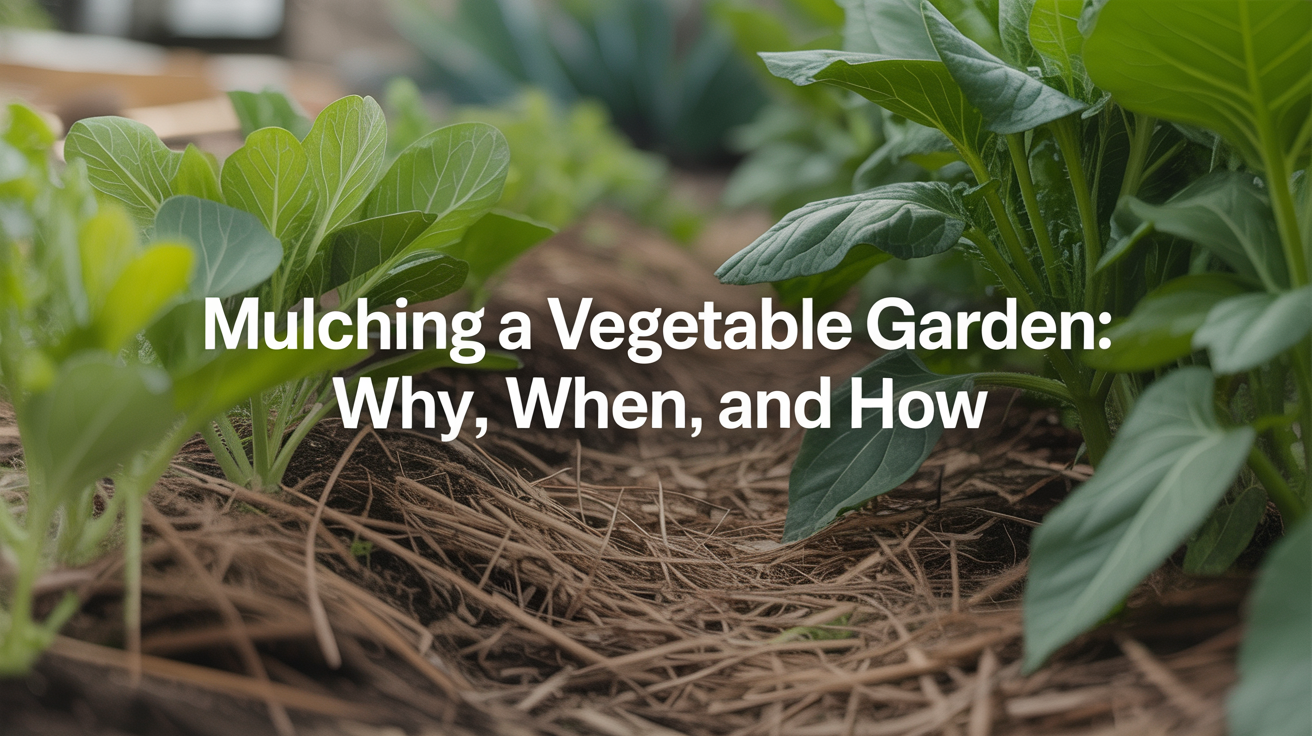
A layer of mulch is one of the simplest things you can do for a vegetable garden, and it pays back the effort many times over in less watering, fewer weeds, and more consistent harvests.
At a Glance
- Apply organic mulch 2 to 3 inches deep, after the soil has warmed in late spring, not before.
- Keep mulch pulled back 2 to 3 inches from stems (4 to 6 inches for tomatoes and peppers) to prevent rot.
- Straw, shredded leaves, and compost are the best all-around choices for annual vegetable beds; save wood chips for paths.
- A 2 to 3 inch mulch layer measurably reduces soil moisture loss and weed pressure, according to Clemson University Cooperative Extension.
- Check the depth once a month and top up any spot that has thinned below an inch.
- Black plastic warms soil fastest for heat-loving crops, but organic mulch is the better long-term investment for soil health.
What Mulch Actually Does
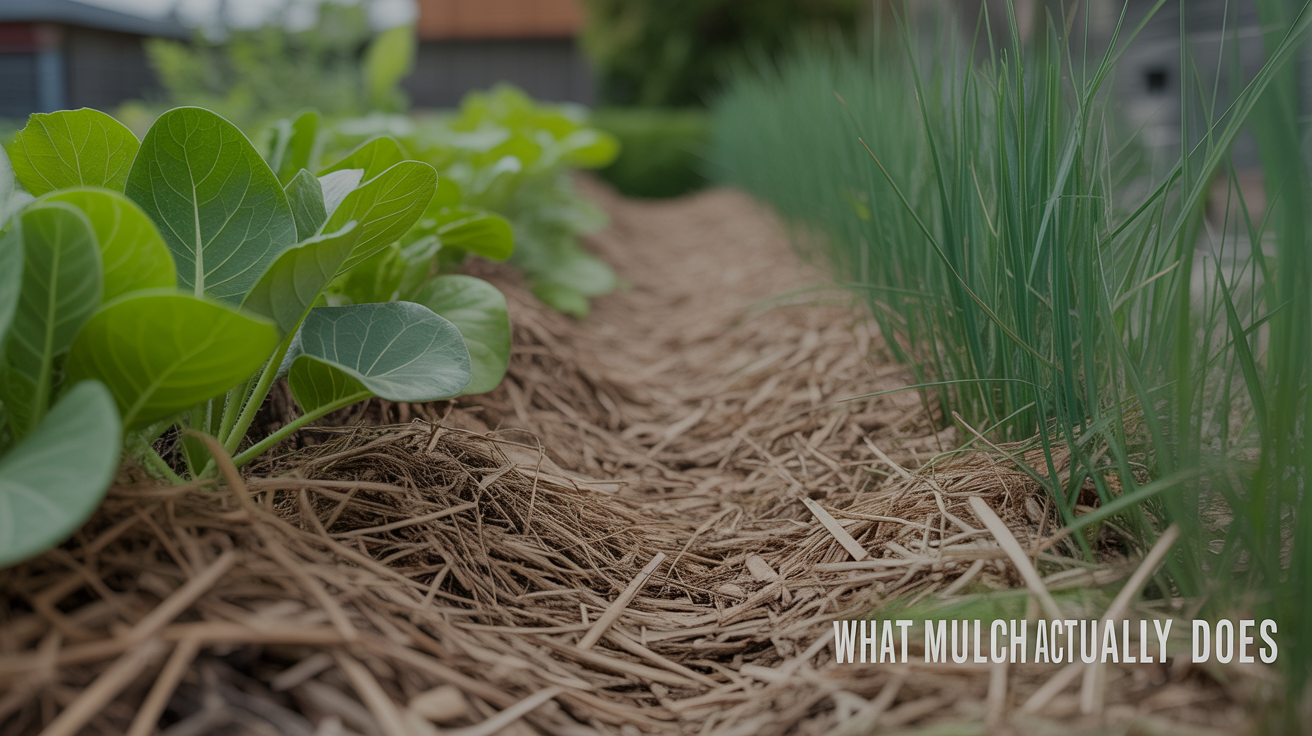
Mulch is any material spread over bare soil around your plants. It sits on top rather than getting dug in, and it works in several ways at once.
Holds moisture in the soil. Bare soil in summer can lose a noticeable amount of water through evaporation on a warm, sunny day, sometimes a quarter inch or more from the top few inches alone. A 2 to 3 inch layer of mulch slows that loss significantly by shading the soil surface and cutting wind contact. You will water less often and your plants will be less likely to stress between waterings. Clemson Cooperative Extension's horticulture program recommends maintaining a two-to-three-inch mulch layer specifically for moisture retention, temperature moderation, and erosion control, the same three benefits that matter most in an annual vegetable bed.
Suppresses weeds. Weed seeds need light to germinate. Cover the soil and most of them simply will not sprout. The ones that do push through a thin spot are much easier to pull because the soil underneath stays loose and damp. In an unmulched bed you might pull weeds weekly; a properly mulched bed often only needs attention once every three to four weeks.
Moderates soil temperature. Soil without cover heats up fast in sun and cools down fast at night, sometimes swinging 15 to 20 degrees Fahrenheit between afternoon and early morning at a two-inch depth. Mulch acts as a buffer, keeping the root zone more stable. In early summer this can slow warm-season crops from bolting; later in the season it keeps the soil warm longer into fall, which can add two to three extra weeks of harvest for heat-loving crops like peppers.
Adds organic matter over time. Organic mulches like straw and shredded leaves break down slowly. As they decompose, they feed soil microbes and improve soil structure. By the end of the season, what started as mulch has partly become compost. Over several seasons of consistent organic mulching, many gardeners see noticeably darker, looser soil without adding a separate compost program.
The Main Types of Mulch for Vegetable Gardens
Mulch options fall into two broad groups: organic materials that decompose and inorganic materials that do not. Rutgers NJAES extension guidance on vegetable garden mulches notes that natural mulches also create a physical barrier between soil and fruit, meaning cleaner produce with fewer rot problems on crops like tomatoes, squash, and strawberries where fruit rests on the ground.
Organic Mulches
| Mulch Type | Thickness | Cost | Best For | Notes |
|---|---|---|---|---|
| Straw | 3-4 inches | Low | Tomatoes, peppers, squash | Avoid hay, which contains seeds |
| Shredded leaves | 2-3 inches | Free | All vegetables | Shred first to prevent matting |
| Grass clippings | 1-2 inches | Free | Paths, borders | Apply thin layers to prevent rot |
| Compost | 1-2 inches | Low to moderate | Seedlings, heavy feeders | Feeds soil as it mulches |
| Wood chips | 2-3 inches | Low to free | Paths, perennial beds | Not ideal for annual beds; ties up nitrogen |
Straw is the classic vegetable garden mulch. It is light, easy to spread, and breaks down over the season. A single bale (roughly 40 to 50 pounds) covers about 100 to 150 square feet at a 3-inch depth, enough for a typical 4x8 raised bed with material left over for a second bed. Make sure you buy straw, not hay. Hay is cut grass that contains seeds; straw is the hollow stems left after grain harvest and has far fewer seeds.
Shredded leaves are free if you have trees. Run them through a mower or leaf shredder before using them. Whole leaves can mat together into a layer that sheds water instead of letting it through. Shredded leaves break down well and improve clay soils over time, a fall's worth of leaves from two or three mature trees is usually enough to mulch a modest vegetable garden the following spring.
Grass clippings work, but apply them in thin layers of an inch or less at a time. A thick clump of fresh clippings will mat, heat up, and create an anaerobic layer that smells bad and can harbor disease. Let them dry slightly before applying, or mix them with dry material. Never use clippings from a lawn treated with herbicide in the past month; the residue can persist and damage vegetable plants.
Compost used as mulch is the most nutrient-dense option. A couple of inches around heavy feeders like tomatoes and squash works as both a mulch and a slow feed. It is thinner than other mulches, so it does not suppress weeds as aggressively on its own; many gardeners top a compost layer with an inch of straw to get both benefits.
Wood chips are best for garden paths and perennial beds rather than annual vegetable rows. Fresh wood chips tie up nitrogen as they break down at the soil surface, plants growing directly in contact with fresh chips can show pale, nitrogen-starved leaves within a few weeks. If you use them in vegetable beds, keep them on top and do not dig them in.
Inorganic Mulches
Black plastic film is the choice of commercial tomato and pepper growers. It warms the soil several degrees faster in spring than bare ground, blocks weeds completely, and holds moisture well. The downsides: it is not reusable for more than a season or two, it does not improve the soil, and it can overheat the root zone in very hot summers, sometimes pushing soil temperature above 95 degrees Fahrenheit under full sun, which stresses roots. Clear plastic warms the soil even faster but lets weeds grow underneath.
Landscape fabric is sold as a long-term weed barrier. In vegetable beds it tends to cause more problems than it solves. It gradually clogs with soil and debris, and it is difficult to remove at season end when you want to amend the beds. It works better in paths than in planting areas.
For most home vegetable gardeners, an organic mulch is the better long-term choice. It improves the soil as it breaks down and costs little to nothing.
When to Mulch Your Vegetable Garden
Timing matters. The most common mistake is mulching too early.
Wait until the soil has warmed. Mulch insulates the soil. If you apply it in early spring before the ground has had a chance to warm up, you slow that warming down. Warm-season crops like tomatoes, peppers, cucumbers, and squash need warm soil to grow well. For most regions, this means waiting until late spring, a few weeks after your last frost date, when the soil consistently reads 60 degrees Fahrenheit or warmer a few inches down. A simple soil thermometer, pushed in a few inches around 9 a.m., takes the guesswork out of the timing.
Mulch after planting, not before. Lay mulch around established seedlings or after seeds have germinated and the seedlings are a few inches tall. This applies whether you started from seed or bought transplants. If you are growing from seed, see how to start seeds indoors: a step-by-step guide for timing guidance, and how to harden off seedlings before transplanting for getting them ready to go outside.
Replenish as needed through the season. Organic mulches settle and break down. Check your beds once a month and top up any spots where the layer has thinned below an inch. You want to maintain that 2 to 3 inch depth consistently. A straw layer typically needs one top-up mid-season; shredded leaves usually last the full season without additions.
In fall, you have two options. Leave the mulch in place to protect the soil over winter and continue breaking down. Or pull it aside, add compost to the bed, and then replace the mulch on top. Both work. The second gives your soil a richer start next spring.
How to Apply Mulch Correctly
Applying mulch is straightforward, but a few details make a real difference.
Keep mulch away from plant stems. This is the most important rule. Mulch piled against stems traps moisture against the bark and creates the perfect conditions for rot and fungal disease. It also attracts pests like slugs that hide in the damp material and feed on stems at night. Leave a gap of 2 to 3 inches between the mulch and the base of each plant. For tomatoes and peppers, that gap should be closer to 4 to 6 inches.
Aim for 2 to 3 inches depth. This is enough to suppress weeds and hold moisture without cutting off air circulation or water penetration. Thicker than 4 inches can start to cause waterlogging in wet conditions and may prevent rain from reaching the roots in dry ones. If you are unsure how much material you need, the coverage table below gives a quick estimate.
Coverage Calculator: How Much Mulch Do You Need
| Bed Size | Depth | Volume Needed | Straw (bales) | Bagged Mulch (2 cu ft bags) |
|---|---|---|---|---|
| 4x4 ft (16 sq ft) | 3 in | ~4 cu ft | About 1/3 bale | 2 bags |
| 4x8 ft (32 sq ft) | 3 in | ~8 cu ft | About 2/3 bale | 4 bags |
| 8x8 ft (64 sq ft) | 3 in | ~16 cu ft | About 1 to 1.5 bales | 8 bags |
| 10x20 ft (200 sq ft) | 3 in | ~50 cu ft | About 3 to 4 bales | 25 bags |
Wet the soil before you mulch. If the soil is dry, water it thoroughly and then apply mulch on top. Mulching dry soil just locks in the dryness. You want to trap moisture that is already there.
Work around your plant layout. Whether you are mulching a raised bed or an in-ground row, spread the material between plants and along the row, leaving the clear ring around each stem. For new seedlings that are closely spaced, go lighter at first and build up the layer as the plants establish. For guidance on spacing and whether to direct sow or transplant, the comparison in seeds vs. seedlings: when to start from seed and when to buy plants is useful for planning your layout.
Frequently Asked Questions
Can I mulch directly on top of weeds? For small annual weeds, a thick layer of mulch will smother most of them. Pull any large or deeply rooted weeds first, especially perennials that will push through almost anything. A 3 to 4 inch layer of straw or shredded leaves over a bed of small seedling weeds will kill the majority within a week or two.
Will mulch attract pests? Any organic material on the ground can provide cover for slugs, earwigs, and similar pests. Keeping the ring clear around stems removes the habitat right where it matters most. Slugs tend to be a bigger problem in wet climates; in drier regions, mulch rarely increases pest pressure noticeably.
Do I need to remove mulch before planting seeds? Yes. Rake the mulch aside to expose bare soil, sow your seeds, and then replace the mulch between rows once seedlings are a few inches tall. Do not mulch directly over seeds; they need warmth and light contact with the soil surface to germinate properly.
Is colored or dyed mulch safe for vegetable gardens? Dyed wood mulches are often made from recycled wood, sometimes including treated lumber. The dyes themselves are generally considered safe, but the wood source is uncertain. For vegetable beds where you are growing food, plain untreated straw, leaves, or compost is a safer and more straightforward choice.
How do I know if I need to add more mulch mid-season? Push the mulch aside at a few spots in your bed. If you can see bare soil or the layer is under an inch thick, it is time to add more. If the layer is still 2 inches or more, leave it. Organic mulches settle faster in wet summers, slower in dry ones.
Does mulch color or material affect soil warming differently? Yes, and it matters most in early season. Dark, dense mulches like compost absorb more heat than light, airy mulches like straw. If you are trying to warm cool soil quickly in spring for an early planting, black plastic outperforms any organic mulch. Once the season is underway and your goal shifts to moisture retention and cooling, straw or shredded leaves work better because they reflect some heat rather than trapping it.